Wander With Wonder – Discovering Wow Moments Around the World or Across the Street
Discover the best places to visit in Italy, from the Amalfi Coast to Tuscany, plus tips for enjoying a seamless and comfortable journey between destinations.
Some countries you simply visit, others you feel in your bones. Italy belongs firmly in the second camp. Between golden hills, villages clinging to clifftops, and cities that double as open-air museums, the country hands you landscapes that stay with you long after you’ve left. Little wonder that wave after wave of travelers have fallen for its charm. Yet a trip through Italy isn’t only about where you go — it’s about how you get there. And it’s in those small details that the line gets drawn between just a normal holiday and one you’ll never forget.
The Amalfi Coast
Few places pack so much beauty into so little space as the Amalfi Coast does. It unfurls between Positano, Amalfi, and Ravello, its pastel houses stacked above the deep blue of the Mediterranean. Every bend in the road reveals something new:
terraces heavy with lemon trees
hidden coves
sunsets that wash the sky in orange…
Beyond its postcard-perfect views, the Amalfi Coast rewards travelers who take time to explore beyond the most photographed spots. The best months to visit are typically May, June, September, and early October, when the weather is warm, the sea is inviting, and the crowds are generally more manageable than during the height of summer. While Positano and Amalfi attract much of the attention, smaller villages such as Praiano and Atrani offer a quieter glimpse into local life and are well worth a visit.
One of the most memorable ways to experience the coastline is from the water. Coastal boat excursions provide a completely different perspective of the dramatic cliffs, hidden beaches, and colorful villages that line the shore. Many travelers also choose day trips to the nearby island of Capri, where sea caves, scenic viewpoints, and charming piazzas await. For those who prefer to stay on the mainland, hiking the famous Path of the Gods trail delivers spectacular panoramic views stretching across the Mediterranean.
Whether you’re spending your days exploring historic churches, relaxing by the sea, or sampling fresh seafood at a waterfront restaurant, the Amalfi Coast rewards slow travel. Its beauty lies not only in its famous landmarks but also in the unexpected moments discovered along the way.
The trick? Wander without a plan, linger over a coffee in some tiny square, and let the slow rhythm of southern Italy do the rest. What’s curious is that, more often than not, what travelers remember isn’t the grand monuments, but those simple moments by the water — a glass of local wine in hand and the murmur of the waves somewhere behind them.
The Northern Lakes and Their Quiet Elegance
If the South wins you over with color, the North does it with calm. Lake Como, ringed by historic villas and immaculate gardens, has drawn artists, writers, and aristocrats for centuries. And it isn’t hard to see why. Its still waters mirror the Alps, and towns like Bellagio and Varenna feel pleasantly frozen in time. A little further east, Lake Garda offers an irresistible blend of:
vineyards
medieval castles
small harbours
The northern lakes offer some of Italy’s most elegant and relaxing travel experiences. On Lake Como, one of the best ways to explore is by ferry, hopping between picturesque towns such as Bellagio, Varenna, and Menaggio while enjoying ever-changing views of the surrounding mountains and waterfront villas. Visitors can stroll through the beautifully maintained gardens of historic estates like Villa Carlotta and Villa del Balbianello, where colorful blooms, lakeside terraces, and centuries of history create unforgettable settings.
A little farther east, Lake Garda combines natural beauty with a rich culinary heritage. Local restaurants showcase regional specialties, including freshwater fish, handmade pasta, olive oil, and wines produced in nearby vineyards. Charming lakeside towns such as Sirmione invite visitors to wander narrow streets, explore medieval fortifications, and enjoy panoramic views across the water.
For travelers seeking memorable viewpoints, both lakes deliver countless opportunities. Scenic promenades, hillside villages, and lakeside cafés provide perfect vantage points to admire the reflections of the Alps on the water. Whether cruising by ferry, exploring historic gardens, or savoring local cuisine, the northern lakes reveal a refined side of Italy that encourages visitors to slow down and appreciate every moment.
Here, nobody seems in any hurry. This is Italy at its most refined — the kind of place that talks you into staying one more day and toasting your sheer luck at being there.
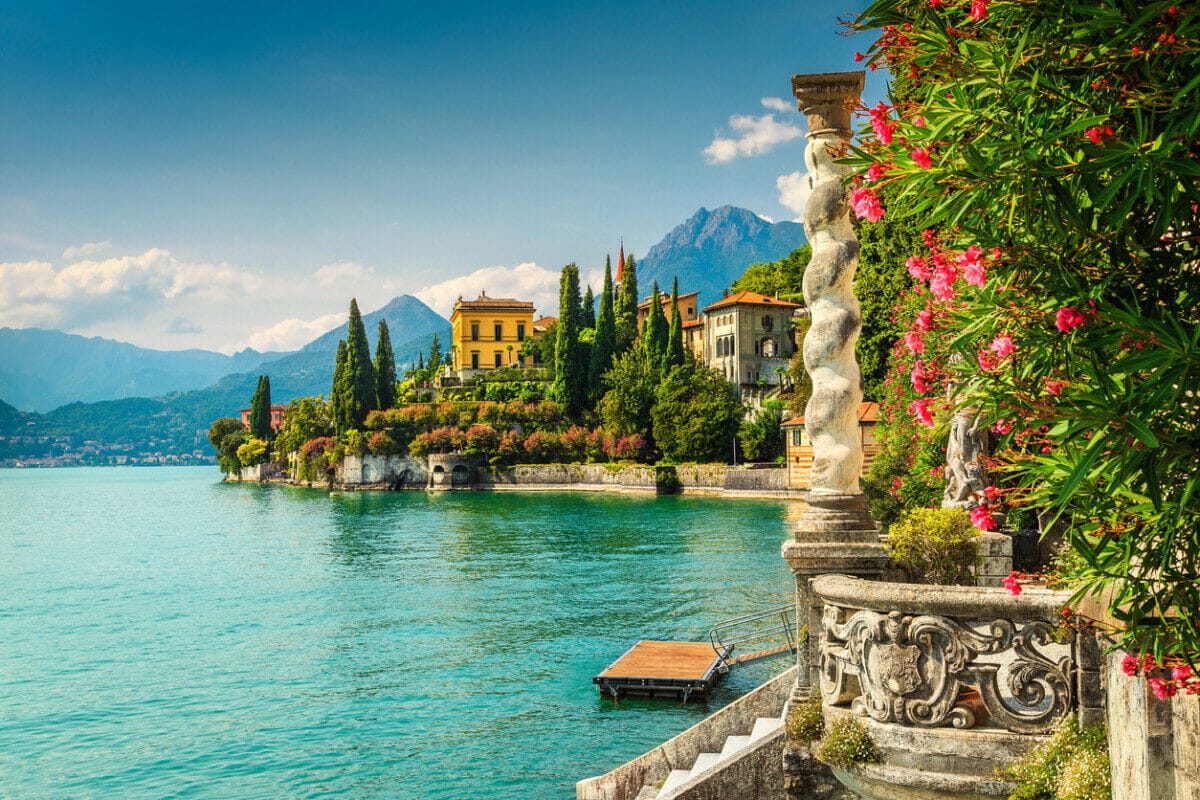
Enjoy the scenery and history when you visit Lake Como, Italy. Photo courtesy iStock by Getty Images
Tuscany and Its Timeless Appeal
Tuscany is special. Picture rows of cypress trees, endless vineyards, and cities that breathe art from every corner. Florence, the cradle of the Renaissance, dazzles with its Duomo and galleries brimming with masterpieces. But the real magic, perhaps, lies just outside the cities in:
Siena
San Gimignano
along those country roads where each hill looks hand-painted.
Tuscany’s appeal extends far beyond its famous landscapes, offering travelers countless ways to immerse themselves in the region’s culture, history, and cuisine. Wine enthusiasts can explore renowned wine regions such as Chianti, Montalcino, and Montepulciano, where vineyard tours and tastings introduce visitors to some of Italy’s most celebrated wines. Many wineries also offer farm-to-table meals featuring regional ingredients and sweeping countryside views.
History lovers will find no shortage of remarkable attractions. Florence is home to iconic landmarks such as the Duomo, Ponte Vecchio, and world-class museums, while Siena captivates visitors with its medieval streets and magnificent Piazza del Campo. The hilltop town of San Gimignano, famous for its medieval towers, offers another glimpse into Tuscany’s rich past.
Food plays an essential role in any Tuscan itinerary. Travelers can enjoy cooking classes, sample local cheeses and cured meats, visit traditional markets, or dine at family-run trattorias serving regional specialties. For those who prefer to explore at their own pace, a countryside drive through the Val d’Orcia provides one of Italy’s most scenic routes, winding past vineyards, cypress-lined roads, olive groves, and charming villages that seem untouched by time.
Whether your interests lie in wine, history, food, or photography, Tuscany offers a diverse range of experiences that make it easy to create a memorable and deeply personal journey.
Here, wine, food, and history weave together effortlessly, with nothing forced about it. Those who visit the region tend to come home with a sense of having stumbled onto a different pace of life — slower and, at heart, more human.
Val d’Orcia, Tuscany, Italy. A lonely farmhouse with cypress and olive trees, rolling hills.
How to Travel Between Italy’s Most Beautiful Destinations
And here’s the thing: there’s little point in choosing dream destinations if getting around turns into a source of stress. Crowded stations, tight timetables, and unfamiliar roads can take the shine off even the most promising trip. That’s why more and more travelers are opting for a pre-booked private transfer, which lets you move between cities, airports, and out-of-the-way villages in complete comfort. You feel the difference straight away:
a driver waiting when you land
a comfortable car
the freedom to soak up the scenery without worrying about maps or missed connections.
Private transfers can be particularly valuable in parts of Italy where public transportation requires multiple connections or where destinations are spread across rural areas. For example, travelers arriving at Naples International Airport and heading directly to Positano, Amalfi, or Ravello can avoid navigating crowded train stations and bus schedules by arranging a direct transfer to their accommodation. This allows more time to enjoy the coastline and less time managing logistics after a long flight.
In Tuscany, private transportation offers added flexibility for exploring the countryside. Rather than relying on limited public transit options, visitors can comfortably travel between Florence, Siena, San Gimignano, Montalcino, and other wine-country destinations in a single day. This is especially convenient for travelers planning winery visits, culinary experiences, or scenic drives through the region’s rural landscapes.
The northern lakes also present situations where private transfers can enhance the journey. Moving between destinations such as Lake Como, Lake Garda, and nearby airports often involves multiple train and ferry connections. A private transfer can simplify these routes, making it easier to travel with luggage, maintain a flexible schedule, and spend more time enjoying lakeside towns rather than coordinating transportation. For travelers seeking a seamless experience, these services can transform travel days into an enjoyable part of the adventure rather than a logistical challenge.
In a country as varied as Italy, where so many of the loveliest spots sit well off the main tourist routes, reliable transport isn’t an indulgence — it’s a smart way to make the most of every minute.
Making the Most of Your Italian Adventure
.
The post Best Places to Visit in Italy and How to Travel in Comfort appeared first on Wander With Wonder.