Wander With Wonder – Discovering Wow Moments Around the World or Across the Street
Discover the best way to experience Japan and South Korea, from Tokyo and Kyoto to Seoul and Busan, with practical tips for planning a multi-country trip.
Japan and South Korea sit close enough geographically – the flight between Seoul and Osaka takes around an hour and a half – that combining them in a single trip is one of the most efficient decisions in Asian travel planning. Both countries have built urban cultures of unusual density and specificity, and the contrast between how they’ve done it is half the interest.
Photo by Zeynep S. courtesy of Unsplash.
Seoul
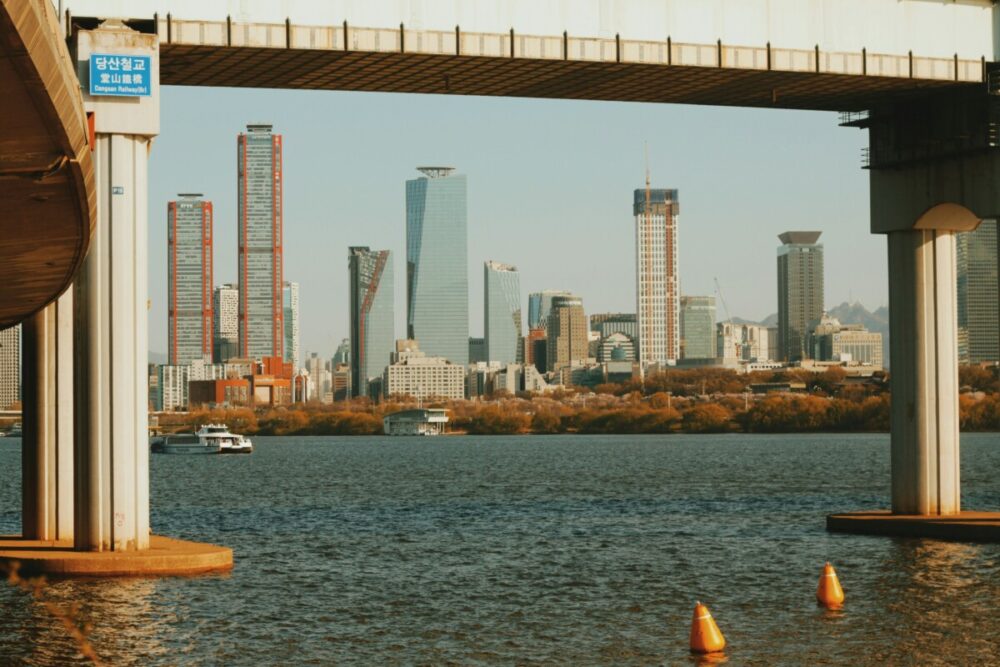
Seoul is a city that takes time to read. The Han River divides it roughly in half, and the characters north and south of it differ enough that they sometimes feel like separate cities that have grown into each other. The historic districts – Gyeongbokgung Palace, Bukchon Hanok Village, Insadong – are concentrated in the north, along with the older residential neighborhoods that still have the neighborhood logic of markets, local restaurants, and independent shops that the more developed southern districts have largely replaced with franchises.
Gangnam, south of the river, is denser with glass-and-steel commercial architecture, as most images of contemporary Seoul show, and the retail districts of Apgujeong and Cheongdam span the full range from streetwear markets to flagship luxury stores within a few hundred meters of each other.
The Seoul to Busan KTX covers 325 kilometers in around two hours and thirty minutes on the fastest services, and the contrast between the two cities makes the journey worth building into any Korea itinerary. Busan is coastal, less internationally known than Seoul, and has a character shaped by its port – rougher, more direct, the markets closer to the working waterfront than the curated food halls of the capital.
The Jagalchi fish market near the port is the largest seafood market in Korea and operates from early morning; arriving before 8 am puts you there while the auction is still running, and the buyers moving through the stalls are mostly restaurant owners and wholesale traders rather than tourists. The Gamcheon Culture Village, a hillside settlement above the port painted in bright colors during a 2009 regeneration project, has since become heavily photographed yet retains enough actual residential life to feel unstagey.
Best Places to Visit Beyond Seoul and Busan
Gyeongju sits east of Daegu on the KTX line and deserves more time than most itineraries give it. The city was the capital of the Silla Kingdom for nearly a thousand years, and the historical density is concentrated in a relatively small area: the Tumuli Park burial mounds in the city center, the Bulguksa temple complex and Seokguram grotto on the mountain above, and the Anapji pond, a reconstructed royal garden whose reflection in still water at dusk is one of the more underrated views in Korea.
The city has kept its building heights low through local regulations, which give it a spatial quality unlike any other Korean city and make the burial mounds, some of which rise 20 meters above the surrounding streets, genuinely unexpected.
Jeonju in the southwest is the city most associated with Korean food, and the claim that it is the culinary capital of the country is not marketing – the concentration of restaurants serving traditional Korean cuisine, and the quality of the bibimbap and makgeolli (rice wine) produced here, are specific enough to justify a detour. The Hanok Village at the city center, around 700 traditional tile-roofed houses preserved in the original street layout, is the largest such preservation in Korea and is less visited than Bukchon in Seoul. The guesthouses in the village that operate as hanok stays offer a blend of traditional architecture and proximity to the food markets, making Jeonju worth an overnight stay.
Why Osaka Is a Must-Visit City in Japan
Osaka to Kyoto on the shinkansen takes around fifteen minutes; on the local Hankyu or Keihan lines, it takes around forty, and the local option is useful because it deposits you at different stations in
Kyoto gives better access to specific districts. Osaka itself is the starting point for most western Japan itineraries, and its reputation as Japan’s food city is built on a genuine density of good eating at all price points. Dotonbori is where most visitors eat on their first evening – the canal-side strip of restaurants and the famous running man signage are what they look like in photographs – but the better eating is a few streets back in the covered shopping arcades of Shinsaibashi and Namba, where restaurants that have been serving one dish for forty years sit alongside newer spots without the tourist premium.
The Kuromon Market near Namba, a 580-meter-long covered market selling fresh fish, vegetables, prepared food, and street snacks, is the market Osaka chefs actually use and is worth arriving at before 10 am, when professional buying is still active. The castle in the north of the city is a 1930s concrete reconstruction of the original, and the interior functions as a museum rather than a historical environment, but the grounds are large enough to make a morning visit worthwhile, particularly in late March when the cherry trees around the moat are in bloom.
Photo by Mạnh Ngô courtesy of Unsplash.
How to Experience Kyoto Beyond the Crowds
Kyoto requires more strategic thought than most cities because the combination of its contents, the crowds that come to see them, and the seasonal variations in both can produce an experience that ranges from overwhelming to extraordinary, depending on timing and approach. The city has around 1,600 Buddhist temples and 400 Shinto shrines distributed across a basin surrounded by wooded hills, and the instinct to cover as many as possible quickly yields diminishing returns. Better to identify the two or three that most directly match your interests and give those proper time.
The Fushimi Inari shrine, with its thousands of torii gates climbing the mountain behind the city, is the most visited site in Kyoto and is effectively uncrowded only before 7 am and after 8 pm. The Arashiyama district in the west of the city – the bamboo grove, the Tenryuji garden, the Togetsukyo bridge over the Katsura river – handles larger numbers better because the sites are more spread out and the riverside areas absorb visitors without the channeling effect of the torii gate paths.
The Philosopher’s Path, a canal-side walk between the Nanzenji and Ginkakuji temples in the northeast, is best in early April, when the cherry trees along the canal are in bloom, but remains a pleasant walking route at any time of year.
Exploring Tokyo’s Neighborhoods and Food Culture
Tokyo is where most Japan itineraries begin and where they can also end most profitably, because the city rewards a second visit with different eyes. The Yanaka district in the northeast is the part of the city that most clearly survived the wartime bombing – the traditional cemetery, the small temples, and the shitamachi (low city) street layout give a texture that the newer districts don’t have. The Shibuya crossing, the Tsukiji outer market, and the observation decks at the Skytree or the Metropolitan Government Building serve as orientation tools and are best done early in the trip rather than treated as highlights to save for later.
The food in Tokyo covers a range so wide that the only sensible approach is to specialise: ramen (the variations between regions and styles are significant enough to structure a day around), sushi (the standing sushi bars near Tsukiji serve at a level that most sit-down restaurants don’t match at comparable prices), or the izakaya culture of small plates and shared drinking that operates across the city from around 6 pm. The department store food halls (depachika) in the basements of Isetan in Shinjuku or Mitsukoshi in Ginza are the clearest expression of Japanese food culture in compressed form and are worth an hour regardless of whether you buy anything.
Conclusion
Japan and South Korea together cover more cultural ground than most month-long itineraries in other parts of the world, and the connections between them – by air or by ferry from Fukuoka to Busan – make the combination practical rather than ambitious. Move by rail within each country, take the cities at the pace they reward, and resist the itinerary logic that treats both countries as things to be ticked off rather than lived in for a while.
Whether you’re drawn to Seoul’s dynamic neighborhoods, Kyoto’s historic temples, Busan’s coastal energy, or Tokyo’s endless food scene, Japan and South Korea offer an unforgettable blend of culture, cuisine, and discovery. For more destination inspiration, travel guides, and unforgettable experiences around the world, explore additional articles on Wander With Wonder.
.
The post The Best Way to Experience Japan and South Korea’s Vibrant Cities appeared first on Wander With Wonder.