Wander With Wonder – Discovering Wow Moments Around the World or Across the Street
Learn practical tips for travel safety abroad, from avoiding scams and protecting personal data to preparing for health emergencies and travel disruptions.
Travel opens the door to new cultures, experiences, and perspectives, but it also comes with risks that travelers should prepare for before leaving home. It is a must-do for practically everyone, an eye-opening opportunity for adventure that offers new experiences to reframe your place in the world. It is also, invariably, a risky thing to do.
There are many ways travelers – whether short-term vacationers or long-term backpackers – can face danger abroad. Some are obvious, while others are not. All, though, fall under the microscope here, as we explore key ways for you as a traveler to protect your safety.
Research Destinations and Stay Updated on Travel Advisories
One of the more direct ways in which travelers face risk is through ignorance. Not knowing all there is to know about a destination before traveling there puts a traveler at risk of many things, from climate and weather to localized crime and beyond. A good place to start is with government travel advisories, which give you broad-strokes insight into the risks of traveling to certain territories – whether related to geopolitical tensions, ongoing natural disasters, or other health-related issues like localized disease outbreaks.
Prepare for Health Emergencies and Unexpected Situations
Even with knowledge of the territories to avoid, you still face unique risks when traveling to foreign countries. These risks start as benign as unfamiliar bacterial strains in potable water, which cause stomach discomfort to the unprepared, and reach more dangerous levels with respect to certain localized diseases, of which you are at a higher risk of contracting.
Being prepared to tackle health emergencies is essential for any trip; health insurance ensures you get the treatment you need in the worst-case scenario, while easily accessible medical information – supplemented with emergency contact details – ensures you receive the right treatment and your family receives updates.
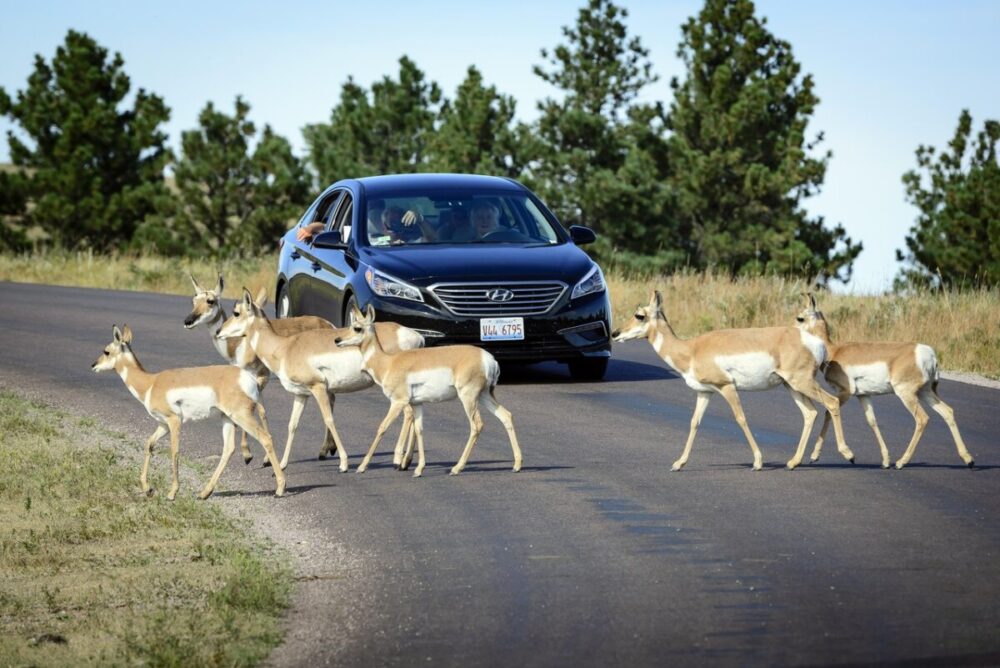
Being prepared to tackle unexpected emergencies is essential for any trip. Photo by Chad Coppess, courtesy Travel South Dakota
Protect Personal Data and Use Secure Internet Connections
Physical health isn’t the only thing at risk when you travel abroad; you also need to give some thought to your digital safety. This is important anywhere, but you inherently face more risk when traveling – simply as a function of using public Wi-Fi connections more often, in airports, hotels, and cafés. Using unsecured internet connections puts you at a higher risk of hacking and data theft.
This is easy enough to tackle on the devices you use; you can install a VPN free of charge and add a layer of protection between your device and your browsing, thereby preventing tracking by websites (including fishy-seeming public Wi-Fi login screens).
Stay Aware of Financial Scams and Theft Risks
More generally, your money is at risk when you travel – just as it is at risk when you’re on the sidewalk or subway at home. Criminals tend to target tourists in foreign territories, using ATM scams, fake tours, or straight-up pickpocketing. Keep your backpack worn on your front so you can keep an eye on it at all times; keep your money in a concealed inside pocket rather than an obvious coat or trouser pocket, too. Only ever pre-book for tourist-related experiences, using reputable websites and corroborating the experiences with online reviews.
Conclusion
Preparation is one of the most effective ways to improve travel safety abroad. By researching destinations, protecting their health and personal information, and staying alert to common scams, travelers can focus on enjoying their journeys with greater confidence. For more practical travel advice and inspiration, explore additional travel guides and tips on Wander With Wonder.
.
The post How Travelers Can Stay Safe Abroad and Protect Their Trip appeared first on Wander With Wonder.