Wander With Wonder – Discovering Wow Moments Around the World or Across the Street
Discover the agave heritage behind the classic paloma recipe, from Jalisco’s volcanic soil to Mexico’s evolving tequila culture.
Imagine yourself on a sun-warmed terrace in Jalisco. A tall glass filled with ice, a pale pink liquid gently bubbles, and the salt of the rim stings your lips. Forget about the shot glass. This is the Paloma. And here, tasting this lovely drink, agave culture stops being a mystery to you and starts becoming a wonder.
While the Margarita remains a global staple, those truly immersed in agave culture know that the best way to test the quality of a premium tequila is with a classic paloma, a refreshing combination that lets the bright citrus and cooked-agave notes shine. This refreshing beverage combines bright citrus with cooked agave, creating a tangy yet subtly sweet flavor. The perfect cocktail for a hot afternoon. And the perfect starting point for understanding how a plant that takes almost a decade to grow has become the soul of a nation’s liquid heritage.
Let’s uncover the origins of the agave spirit and its place on modern menus. Let’s wander through the volcanic soil of Los Altos to see the locals harvesting the piñas and mixing tequila with grapefruit. By the end, you won’t just know how to mix a drink. You’ll understand why it matters.
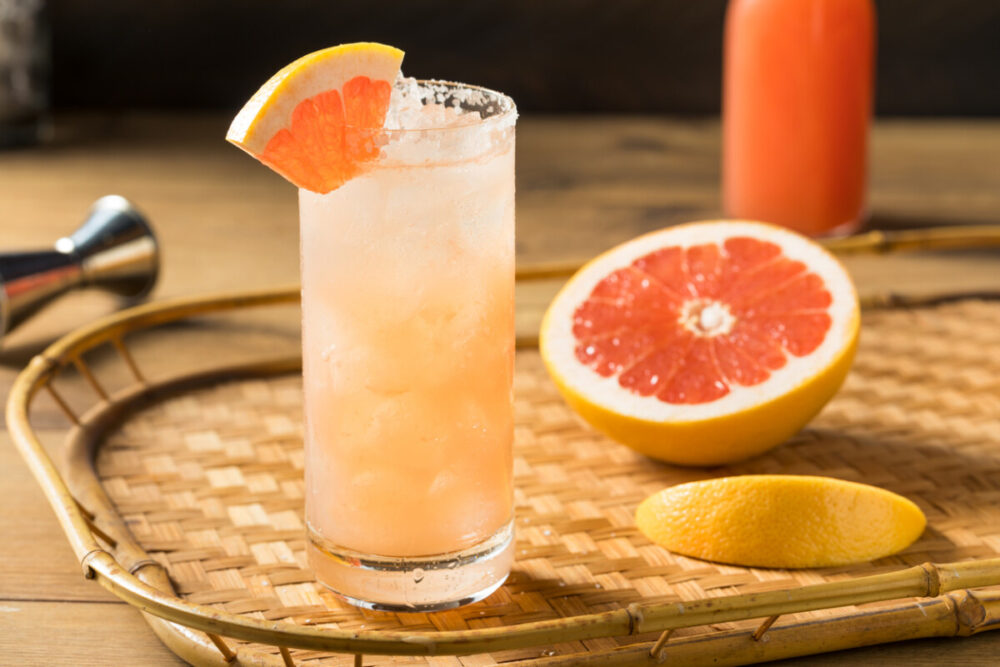
Refreshing Paloma with tequila, grapefruit, and a salted rim. Photo by bhofack2 via iStock by Getty Images
How Agave Spirits Evolved from Tradition to Global Luxury
In Mexico, locals have been distilling agave spirits for centuries, long before the Margarita became a popular drink. Initially, it was a sacred fermented beverage (pulque); over time, it evolved into tequila, and for generations, it was confined to five authorized states. During the 20th century, tequila was mostly consumed in shots; you grimaced through it, masking it with salt and lime.
Now it’s different: over the last decade, a silent revolution has taken agave spirits to a new level, comparing them to malt scotch and fine wine. In Tokyo, London, and New York, you can find bars dedicated entirely to mezcal and tequila. “Agave terroir” has appeared in the vocabulary of bartenders, holding the same reverence that Burgundy used to have. The change? We don’t hide the taste of tequila anymore; instead, we celebrate it.
And the Paloma is the ideal cocktail to represent this shift. Margarita usually buries the tequila under layers of sugar and orange liqueur, the Paloma, however, lets it breathe. Grapefruit brings a bitter, bright, and slightly sweet flavor—it doesn’t mask. On the contrary, it highlights the cooked agave notes. It asks you to taste, not just swallow.
The Terroir of Los Altos and Why Origin Defines Flavor
How Jalisco’s Volcanic Soil Shapes Tequila Flavor
The highlands of Jalisco have cool, misty mountains, and the region is home to red volcanic clay, which produces a sweeter, fruitier, and more herbaceous agave than in the lowlands. Is not a subtle difference. This volcanic rock is rich in minerals and can retain moisture. That nurtures the agave plant without drowning it. In seven to ten years, the plant starches into inulin, a natural sugar that becomes fermentable fructose during cooking. This is what gives tequila its characteristic sweetness and floral notes.
Agave is grown in the highlands of Jalisco. Photo by camarelenta via iStock by Getty Images
Traditional Tequila-Making Methods That Still Matter
Many tequila producers still honor traditional methods. Agave hearts are slowly cooked in brick ovens; afterward, they are crushed to extract the juice. The fermentation process can take several days, but in this way, wild yeasts contribute to the flavor’s complexity. The agave is distilled in copper pots. That is a commitment to flavor. Because of this, a Paloma made with mass-produced tequila tastes very different from one made with crafted spirits.
Why Grapefruit Perfectly Complements Agave Spirits
The Old Fashioned, the Manhattan, and the Negroni were all really popular cocktails for a long time. However, today’s new generation of drinkers prefers refreshment and balance. So, citrus is having a moment, and grapefruit—with its bitter, sweet, and tart taste—is the unlikely star. The bitterness cuts through the alcohol, the acidity lifts the cooked agave notes, and the drink is elevated by subtle sweetness. It is, quite simply, a perfect harmony.
Grapefruit is perfect for a Paloma because the bitterness cuts through the alcohol and the acidity lifts the cooked agave notes. Photo by Vadym Sirobaba via iStock by Getty Images
How to Curate a Mexican Experience at Home with Olmeca Altos
No need to buy a plane ticket to Mexico to taste the real wonders of Mexican cocktails. What you need is a tequila made in Jalisco with 100% blue agave. Try to avoid mixtos; they usually have added sugars. A good Plata (silver) or Reposado (rested) tequila will offer you a clean, cooked-agave backbone, so that the flavor of the grapefruit will shine. The agave and the citrus converge into a perfect harmony.
You can create different flavors of the Paloma, depending on whether you use a rested, silver, or aged tequila. Photo by Arturo Peña Romano Medina via iStock by Getty Images
The ingredients for a classic paloma recipe are simple: grapefruit soda or fresh juice, lime, a pinch of salt, ice, and good tequila. And remember, Paloma is a drink for a late afternoon on a patio, for a traditional meal, for sunset, for laughter shared with friends. Its complexity is its most sophisticated quality.
Finding Authenticity in the Wandering
Agave culture is not about exclusivity. It is about place, heritage, and pleasure. From a shot glass to an internationally acclaimed spirit. The Paloma will not change your life. But it can silently change the way you drink. And that, for the curious and the wandering, is wonder enough.
Some of Our Favorite Tequila Recipes
The Best Margarita Recipes
The Best Tequila Cocktails
Tequila Ideas for National Tequila Day or Every Day
Savoring the Spirit of Jalisco One Paloma at a Time
A classic paloma recipe is more than a refreshing cocktail. It is a window into the landscapes, traditions, and craftsmanship that define Mexico’s agave culture. From the volcanic soils of Jalisco to the bright burst of grapefruit in the glass, every sip tells a story of heritage and place. Whether you are planning a culinary journey through Mexico or recreating the experience at home, the Paloma offers a simple but memorable way to savor the spirit of wandering. We invite you to explore Wander With Wonder to discover more global food and drink experiences. We also have more summer cocktail recipes for you to enjoy.
.
The post Discover Agave Culture Through a Classic Paloma Recipe appeared first on Wander With Wonder.