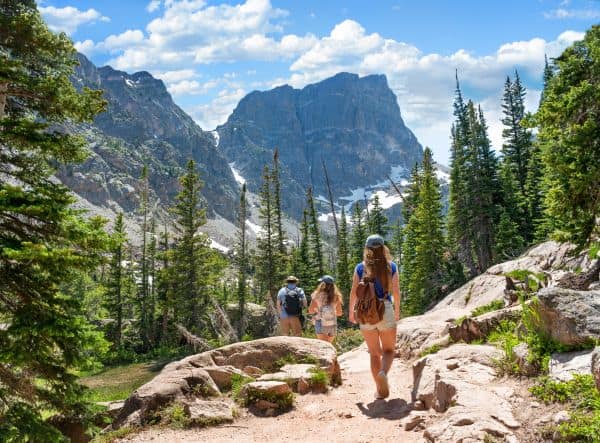
Original content owned & copyrighted by Green Global Travel.
America’s National Parks offer some of the most breathtaking landscapes and diverse wildlife in the world.
From watching herds of bison roaming across sweeping valleys to hiking along rugged mountain peaks or coastal trails, visiting these natural spaces is a bucket-list experience for millions of travelers each year.
But planning a trip to these famous destinations requires careful consideration, especially when it comes to deciding where to base yourself for outdoor adventures.
In our experience, the location of your hotel, B&B, or vacation rental can really make or break your travel experience.
Staying close to key park entrances allows you to beat the crowds, reach trailheads early for sunrise wildlife viewing, and spend significantly less time driving back and forth to reach the park.
Here is a practical travel guide on where to stay near five of America’s best national parks for outdoor adventure and wildlife watching.
READ MORE: List of National Parks By State (An Epic Guide to “America’s Best Idea”)
Rocky Mountain National Park, Photo by Margaret.Wiktor
1. Rocky Mountain National Park (Colorado)
Renowned for its soaring peaks, alpine lakes, and abundant wildlife, Rocky Mountain National Park is an outdoor enthusiast’s dream.
Home to vast herds of Elk, Bighorn Sheep, Moose, and Mule Deer, the park provides endless opportunities for wildlife viewing, particularly in Moraine Park and Horseshoe Park during early mornings and late afternoons.
We recommend selecting a cabin or mountain lodge that provides easy access to high-altitude trailheads and scenic mountain drives.
Base yourself on the eastern gateway side in Estes Park for direct access to Trail Ridge Road and the popular Bear Lake Corridor. Estes Park has a vibrant downtown packed with great places to eat and drink.
The western gateway town of Grand Lake offers a quieter, lakefront atmosphere with closer proximity to Moose habitats along the Colorado River.
Visitors can stroll along the historic wooden boardwalk downtown, explore charming local shops and art galleries, dine at scenic waterfront restaurants, and enjoy water sports on Colorado’s largest natural lake.
READ MORE: 10 Best National Parks In USA For Wildlife Watching
Bison in Yellowstone National Park in Winter, photo by Bret Love
2. Yellowstone National Park (Wyoming/Montana)
As the first US National Park, Yellowstone remains an iconic destination famous for its geothermal wonders and rich wildlife diversity.
Widely known as the “Serengeti of North America,” Yellowstone’s Lamar Valley is a world-class spot to observe wild bison, grizzly bears, wolves, pronghorn, and elk roaming freely in their natural habitats.
Because Yellowstone spans over two million acres, strategic lodging choice is crucial to avoid spending hours driving across the park.
Situated at the park’s North Entrance, Gardiner MT puts visitors right at the doorstep of the northern range, where wildlife is most active. The town features a wide array of local restaurants and outdoor gear shops that cater to visitors year-round.
Alternatively, West Yellowstone MT provides quick entry to the park’s famous geyser basins, including Old Faithful. Featuring frontier-style architecture, rustic saloons, and historic stores, West Yellowstone is packed with character, as well as all the amenities visitors need for exploring the park.
READ MORE: Yellowstone National Park Lamar Valley Photo Gallery
Olympic National Park, Photo by Martina Birnbaum
3. Olympic National Park (Washington)
For travelers seeking unmatched ecological diversity, Olympic National Park (located on Washington State’s Olympic Peninsula) is the ultimate destination.
The park offers three distinct ecosystems: glacier-capped mountains, temperate rainforests, and rugged Pacific coastline. Wildlife enthusiasts can spot Roosevelt Elk grazing in the Hoh Rain Forest, Sea Otters playing in tide pools along Ruby Beach, and Black Bears foraging in subalpine meadows.
Because the park’s highlights are spread out across a wide region without a central road running through it, hub-and-spoke accommodations are often the most efficient strategy.
Port Angeles serves as a convenient northern gateway for exploring Hurricane Ridge and Lake Crescent. It has a charming coastal downtown complete with local seafood, waterfront views, and cozy lodging options.
On the western side, staying near Forks or La Push grants easy access to the rainforests and dramatic coastal beaches. Tucked into the misty, moss-draped forests, these towns offer a uniquely moody, remote escape with plenty of rustic lodges to stay in.
READ MORE: The 15 Best National Parks in the World for Wildlife Watching
Roseate Spoonbill in Florida, photo by Bret Love
4. Everglades National Park (Florida)
Offering a stark contrast to western mountain parks, Everglades National Park protects the largest subtropical wilderness in the United States.
This vast wetland ecosystem is an international treasure, supporting endangered species such as the Florida Panther, West Indian Manatee, and American Crocodile. It is also an incredible paradise for birdwatchers, featuring Roseate Spoonbills, Herons, and Egrets.
Homestead and Florida City serve as ideal gateways for accessing the Ernest F. Coe Visitor Center and Royal Palm trails. These communities offer a relaxed, small-town atmosphere surrounded by agricultural fields and local fruit stands.
You’ll find a variety of modern amenities, including budget-friendly accommodations, casual dining options, and essential supply stops where you can stock up before heading into the park’s wilderness trails.
For those interested in kayaking coastal mangrove waterways, Everglades City on the western side offers quiet lodging and guided eco-tours. The town retains a charming, small-town atmosphere with laid-back waterfront dining, local seafood markets, and convenient boat slip access for water adventures.
READ MORE: The 15 Best UNESCO World Heritage Sites in the USA for Nature & History
Acadia National Park, Photo by Mr. Klein
5. Acadia National Park (Maine)
Nestled along Maine’s rugged Atlantic coastline, Acadia National Park combines granite peaks, coastal fjords, and lush woodlands.
Outdoor adventurers can hike up Cadillac Mountain—the first place in the U.S. to see the sunrise during winter months—or bike along historic carriage roads. Off the coast, boat tours offer opportunities to spot peregrine falcons, harbor seals, bald eagles, and migrating whales.
Bar Harbor is the primary gateway town for Acadia, featuring walkable streets, regional seafood dining, and beaches backed by incredible mountain views.
To keep emissions low during your visit, take advantage of the park’s free, propane-powered Island Explorer shuttle service, which connects downtown Bar Harbor directly to park trailheads and scenic vistas.
For a quieter coastal stay away from summer crowds, consider staying on the “Quiet Side” of Mount Desert Island in towns like Southwest Harbor or Tremont. These charming communities offer a relaxed maritime atmosphere, local lobster shacks, artisan shops, and scenic harbor views.
READ MORE: 10 Simple Wildlife Photography Tips
Denali National Park, Dell Sheep via @greenglobaltrvl
Eco-Friendly Travel Tips for National Park Visitors
Regardless of which national park you choose to explore, adopting sustainable travel habits helps protect fragile habitats and keeps wildlife safe. Here are key practices every outdoor adventurer should follow:
● Keep a Safe Distance from Wildlife: Always use binoculars or a telephoto lens to view animals, and never feed wildlife or approach them, as human habituation can be dangerous for both visitors and animals.
● Check Conditions Every Morning: Consult official resources like the National Park Service for specific safety guidelines and park alerts before your trip.
● Stay on Designated Trails: Straying off marked paths causes soil erosion and destroys delicate plant life that wildlife depend on for food and shelter.
● Reduce Single-Use Plastics: Bring reusable water bottles, food containers, and shopping bags to minimize waste generation inside park boundaries.
● Support Local Gateway Economies: Shop at local farm stands, dine at locally owned restaurants, and hire certified regional guides to ensure your travel dollars directly benefit local communities.
READ MORE: 57 Simple Sustainable Travel Tips Any Traveler Can Use
Explore America’s Most Epic National Parks
An unforgettable adventure always begins with choosing the right base.
No matter which US National Park you plan to visit, pick a base that lies within easy reach of the park entrances to maximize your time spent exploring and absorbing the awesome views.
Plan thoughtfully, tread lightly, and support local communities to help safeguard these extraordinary wild landscapes for future generations to explore and cherish. -by Alex S. Morrison
The post Where to Stay Near America’s Best National Parks for Wildlife & Outdoor Adventure appeared first on Green Global Travel.