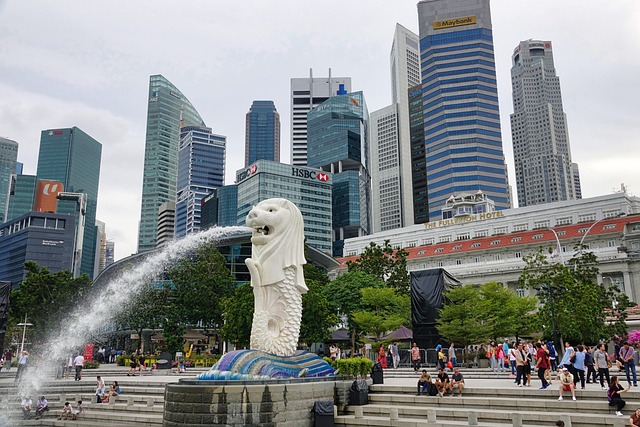
Singapore’s tourism scene is changing in noticeable ways, from greener visitor experiences and neighbourhood discoveries to new technology, wellness and major events. Here are a few trends to keep an eye out for this year.
Sustainability Is Becoming Part of Travel
Singapore is weaving sustainability into the overall tourism experience. According to the Singapore Tourism Board, more than 73% of hotel room stock had internationally recognised sustainability certification by the end of 2025, surpassing the national target of 60%. Current strategy also addresses energy efficiency, climate resilience, accessibility and experiences that support local business and culture.
Travellers Want More Than the Famous Sights
The city’s well-known landmarks remain important, but tourism planning is also placing greater emphasis on distinctive experiences. Food, heritage, local businesses and neighbourhoods can give visitors more ways to understand Singapore beyond a short list of major attractions.
Wellness Is Taking a Bigger Role
A new wellness attraction planned for Marina South is expected to open by 2030. The 4-hectare development will include thermal pools, saunas, steam baths and water slides, with a public park of almost 4 hectares surrounding it.
Events Keep Changing the Calendar
Singapore’s event programme now spans Formula 1, ART SG, Singapore Food Festival, concerts, sporting competitions and cultural events, with hospitality groups such as Park Hotel Group operating across the city as visitor patterns change throughout the year.
Local Experiences May Matter More
For travellers researching top attractions in Singapore, the familiar landmarks can still anchor an itinerary. Adding hawker centres, neighbourhood businesses and newer precincts creates a more varied picture of the city and leaves room for experiences that feel less predictable.
New Connections Could Broaden the Trip
Singapore is also strengthening its role as a regional gateway. A new three-year cruise partnership announced in 2026 is expected to bring more than 150,000 passengers between 2027 and 2030, adding another route into the city for future travellers.