Wander With Wonder – Discovering Wow Moments Around the World or Across the Street
Discover why medical tourism in Chiang Mai combines quality healthcare, peaceful recovery, and rich cultural experiences for international patients.
When people think of medical tourism in Thailand, Bangkok is usually the first to come to mind. But several hundred miles to the north, Chiang Mai has quietly turned into a favorite among international travelers looking for something that’s harder to find than an experienced surgeon—a destination where recovery doesn’t feel rushed.
Surrounded by foggy mountains, centuries-old temples, and a thriving wellness culture, Chiang Mai offers a slower rhythm of life that many patients find just as valuable as the medical treatment itself. For people researching understanding facelift In Thailand procedures, choosing the destination can be almost as important as choosing the clinic. Services such as Bookimed make it easier to compare accredited hospitals, surgeon experience, estimated treatment costs, and verified patient reviews before planning a medical journey.
Thailand has become one of the world’s top destinations for medical tourism, attracting patients for everything from orthopedic surgery to cosmetic procedures. While Bangkok is known as the country’s main healthcare hub, Chiang Mai has earned a reputation for something just as important: a calm, comfortable setting where patients can focus on recovery.
Why Chiang Mai Appeals to Medical Travelers
Unlike Thailand’s bustling capital, Chiang Mai moves at a noticeably gentler pace. Mornings commence with monks collecting alms through the quiet streets of the Old City, cafés open onto leafy courtyards, and the surrounding mountains create a sense of distance from the crowds. Rather than feeling like a city that’s always in a hurry, Chiang Mai encourages visitors to slow down and settle into a more relaxed routine.
That atmosphere is one reason many international visitors choose to spend time here after medical treatment. Recovery often involves more than simply attending follow-up appointments. Rest, good nutrition, light activity, and less stress all contribute to the healing process, and Chiang Mai naturally supports that lifestyle.
Chiang Mai combines a peaceful setting with the conveniences international patients need. The city’s international airport offers easy access to major destinations across Asia, and private hospitals are experienced in treating overseas patients, with English-speaking staff and dedicated international services. A variety of accommodations—from boutique hotels to serviced apartments—also makes extended stays comfortable for both patients and their loved ones.
According to the International Society of Aesthetic Plastic Surgery (ISAPS), more than 34.9 million aesthetic procedures were performed worldwide yearly. As cosmetic surgery becomes increasingly global, patients are paying greater attention not only to surgical expertise but also to where they’ll spend the days and weeks following treatment.
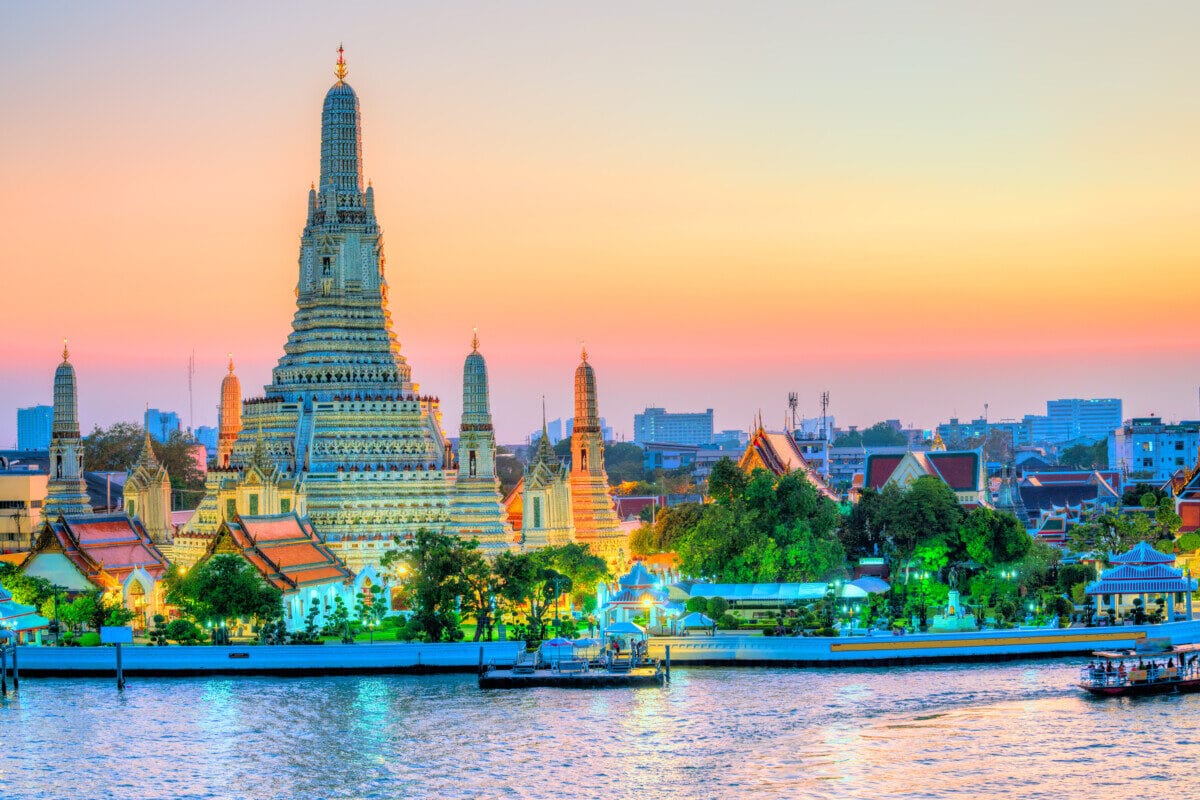
Bangkok, Wat Arun, The temple of dawn. Wat Arun is one of the major attractions of Bangkok, Thailand. Photo courtesy Adobe Stock
Beyond Recovery: Discovering Chiang Mai at Your Own Pace
One of Chiang Mai’s greatest strengths is that it encourages visitors to slow down. Unlike destinations where every single day feels packed with sightseeing, northern Thailand invites a gentler rhythm—something many patients appreciate during recovery.
Recovery is not always about staying in a hotel room. Depending on the procedure and a surgeon’s recommendations, patients may be able to spend time outdoors, enjoy a relaxed breakfast, browse local shops, or take a leisurely stroll along the Ping River. These simple activities can help break up the recovery period and make the experience feel more enjoyable. For many visitors, Chiang Mai offers a recovery environment that feels calming and refreshing.
Depending on their stage of healing, visitors may enjoy peaceful mornings exploring the Old City, relaxing in one of the city’s garden cafés, or visiting some of Chiang Mai’s more than 300 Buddhist temples, many of which offer peaceful surroundings away from busy tourist routes.
Family members or friends accompanying a patient will also find plenty to enjoy in Chiang Mai. They can explore local craft markets, take a cooking class, visit art galleries, or enjoy nearby mountain viewpoints—all without planning long or busy sightseeing days. The city’s Northern Thai cuisine, with its fresh herbs, vegetables, grilled fish, and nourishing soups, also makes it easy to eat well throughout the recovery period.
Wellness has long been part of Chiang Mai’s identity. Yoga studios, meditation retreats, and holistic wellness centers are found throughout the city, although treatments such as traditional Thai massage should be resumed only with the treating surgeon’s approval.
Why Thailand Is a Trusted Medical Tourism Destination
It’s tempting to assume Thailand is popular simply because treatment costs less. But its reputation has grown over many years thanks to high standards of medical care, a culture of hospitality, and experience caring for patients from around the world.
According to the Thailand Board of Investment, medical tourism remains one of the country’s strategic industries, welcoming well over a million international patients each year. Visitors travel from Australia, the UK, the United States, the Middle East, and across Asia for everything from dental care and orthopedics to cosmetic surgery and wellness treatments.
International accreditation has also played an important role in building trust. Thailand is home to 60+ hospitals accredited by Joint Commission International (JCI), an independent organization that evaluates healthcare facilities against globally recognized standards for patient safety and quality of care. While many of these hospitals are located in Bangkok, several respected private hospitals in Chiang Mai have also developed dedicated international patient services.
For travelers, this combination of experienced medical professionals and Thailand’s well-established tourism infrastructure can make planning treatment abroad considerably less daunting.
Choosing the Right Clinic Means Looking Beyond the Price Tag
Whether you’re considering a facelift or another elective procedure, choosing a clinic should involve much more than comparing quotations.
Experienced patients typically begin by researching the surgeon rather than the destination alone. Looking at board certification, professional memberships, experience with a specific procedure, before-and-after photographs, and patient reviews often gives a clearer picture than price alone. Thai surgeons treating international patients are members of organizations such as the International Society of Aesthetic Plastic Surgery (ISAPS) or the American Society of Plastic Surgeons (ASPS), demonstrating an ongoing devotion to professional education and internationally recognized standards.
Medical tourism comparison platforms make the research process much easier by bringing together verified surgeon profiles, clinic credentials, treatment details, estimated costs, and patient reviews in one place. This allows patients to compare their options and make more informed decisions before choosing where to receive treatment.
Why Recovery Matters in Medical Tourism
Successful recovery isn’t simply about waiting for swelling to disappear. Sleep, nutrition, gentle movement, and emotional well-being all play important roles in how the body heals after surgery.
Sleep, in particular, is often overlooked. A recent study found that patients with poor sleep quality experienced postoperative complication rates more than four times higher than those who slept well. They also reported more pain, slower wound healing, and longer hospital stays. The data reinforce what many surgeons already emphasize: sound sleep is an essential part of recovery, not simply a comfort.
Recovery isn’t just about rest. When a surgeon says it’s safe, gentle movement can support the healing process. The Enhanced Recovery After Surgery (ERAS) Society includes early mobilization in its evidence-based recovery recommendations, and research suggests that light activity can reduce the risk of complications and speed up the return to normal daily activities.
Emotional wellbeing matters too. A 2024 systematic review and meta-analysis, covering 55 studies and 26.6 million participants, found that depression was linked to more gradual wound healing, more complications, and a higher risk of infection. Another review showed that psychological stress reduces collagen production and weakens the body’s healing response. Chiang Mai’s peaceful atmosphere naturally supports the slower, lower-stress recovery that medical professionals often recommend after surgery.
People come out to launch floating lanterns during the Loi Kratong festival in Thailand. Photo by anekoho via DepositPhotos
Before You Book
Planning ahead can make medical travel significantly less stressful. Before confirming treatment, consider asking the clinic:
How many days are recommended in Thailand before flying home?
Who provides follow-up appointments after surgery?
Whether the hospital holds internationally recognized accreditation, such as JCI.
What services are included in the quoted treatment package?
How postoperative support is managed if questions arise after returning home.
Having clear answers before traveling allows patients to focus on recovery rather than logistics once they arrive.
Is Chiang Mai the Right Choice?
Chiang Mai isn’t necessarily the best choice for every medical traveler.
Patients requiring highly complex reconstructive procedures or multidisciplinary hospital care may find Bangkok’s larger medical centers better suited to their needs. The capital offers a wider concentration of university hospitals, specialized departments, and large tertiary care facilities.
For many elective procedures, however—including facial rejuvenation, eyelid surgery, and facelifts—Chiang Mai offers an appealing alternative. Its combination of experienced private hospitals, welcoming hospitality, comfortable accommodation, and relaxed surroundings creates an environment where recovery feels less clinical and more rejuvenating.
Choosing the right destination ultimately depends on the procedure, the surgeon, and the type of recovery experience each patient seeks.
A Different Way to Experience Thailand
Medical tourism isn’t only about where a procedure takes place. It’s also about where recovery happens.
For many international visitors, Chiang Mai offers something increasingly valuable: time. Time to rest, heal, and slowly return to everyday life in surroundings that feel calm rather than hurried. Its combination of experienced healthcare providers, welcoming hospitality, strong cultural heritage, and relaxed atmosphere creates an experience that goes beyond medical treatment alone.
Whether it’s a facelift or another elective procedure, careful research is an important part of planning treatment abroad. Comparing surgeon qualifications, hospital accreditation, recovery information, and patient experiences can help patients feel more confident about their decision. Medical tourism comparison platforms make this easier by bringing all of that information together in one place.
In a world where travel regularly feels rushed, Chiang Mai reminds us that at times the most meaningful journeys are the ones that allow us to slow down, focus on wellbeing, and return home feeling restored in more ways than one.
.
The post Medical Tourism in Chiang Mai: A Calm Place to Recover appeared first on Wander With Wonder.