Some destinations become famous because they are easy to recognize. A familiar skyline, a celebrated beach, or a national park entrance sign can make a place feel important before the trip has even begun. Yet beauty does not become more meaningful simply because millions of people have photographed it.
Many of the world’s most memorable landscapes sit outside the usual travel circuit. They require a longer drive, an extra flight or enough curiosity to choose a place your friends may not immediately recognize. In return, travelers often find more space, more authentic encounters and a stronger sense of discovery.
For adult professionals planning a romantic adventure getaway, these overlooked destinations offer a compelling kind of luxury. They combine wild scenery with expert guides, distinctive accommodations, memorable food and the freedom to experience a place without spending the entire trip navigating crowds.
From an abandoned Alaskan mining town to a Tanzanian island where whale sharks glide through clear water, these 11 wildly beautiful places deserve far more attention than they receive.
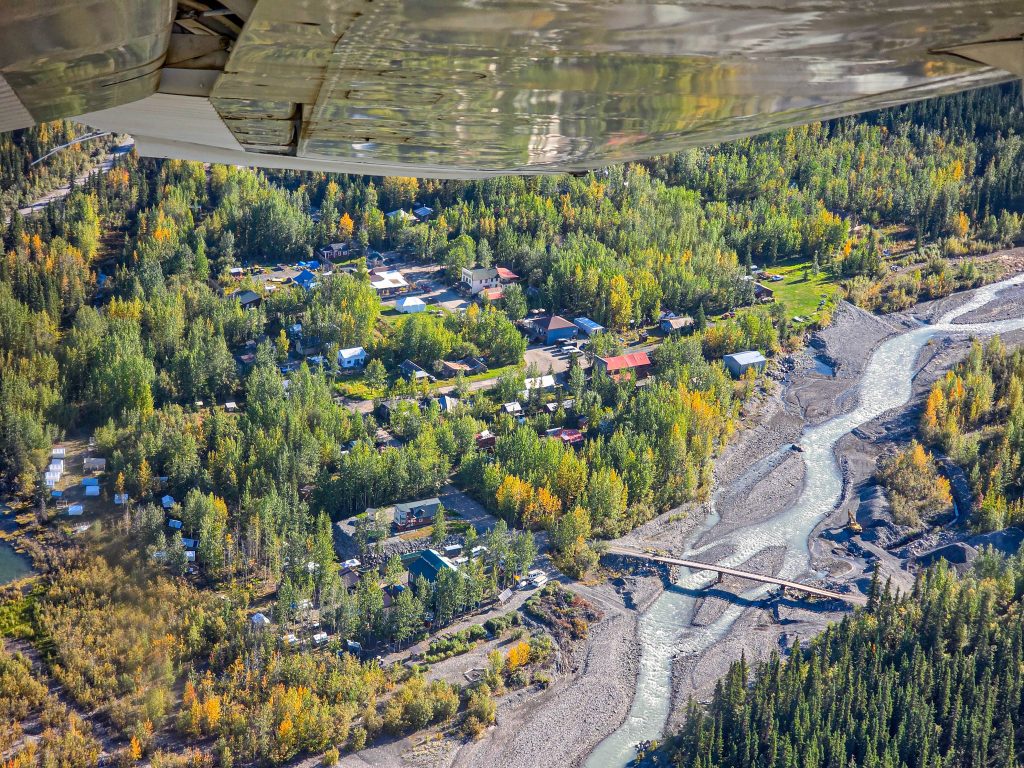
McCarthy and Kennicott, Alaska
Photo Credit: Jenn Coleman.
Alaska is filled with famous names, but few places feel as remote and cinematic as McCarthy and Kennicott.
Located inside Wrangell-St. Elias National Park and Preserve sits within a landscape of glaciers, mountains, and enormous open spaces. Reaching it requires commitment. The final stretch involves the long McCarthy Road, followed by a footbridge and local transportation into town. That complicated arrival is part of what keeps the experience so distinctive.
Kennicott is home to a preserved copper mining complex that rises dramatically against the mountains. From there, travelers can hike toward Root Glacier, join a guided glacier walk or venture into the backcountry with an experienced outfitter. Flightseeing offers another perspective, revealing ice fields, valleys, and peaks that seem to stretch on forever.
McCarthy itself has an offbeat personality that balances the surrounding wilderness. Historic buildings, local restaurants and intimate lodges create a surprisingly comfortable base for exploration.
For couples, the destination offers both adventure and isolation. Days can be filled with glaciers and alpine scenery, while evenings slow down over dinner beneath a sky that seems far larger than it does at home.
Mafia Island, Tanzania
Photo Credit: Jenn Coleman.
Tanzania is best known for the Serengeti, Ngorongoro Crater and Mount Kilimanjaro. Off the country’s coast, however, Mafia Island offers a quieter and more intimate side of East Africa.
Mafia lacks the polished resort scene associated with Zanzibar. Roads are rougher, tourism is lighter, and the island feels connected to everyday coastal life. That simplicity is a major part of its appeal.
The surrounding waters are home to coral reefs, sea turtles and abundant marine life. Depending on the season, visitors may also have the opportunity to swim with whale sharks. Entering the water near one of these enormous animals is humbling, especially when the encounter happens responsibly and without crowding or chumming.
Scuba divers can explore reefs inside Mafia Island Marine Park, while nondivers can snorkel, sail or take boat trips through the mangroves. Small beachfront lodges provide comfortable accommodations without isolating travelers from the island itself.
Mafia Island works beautifully after a safari, replacing early game drives with warm water, quiet beaches and unhurried evenings. It is an ideal romantic adventure for couples who value wildlife, authenticity and a destination that still feels largely undiscovered.
Thunder Bay, Ontario
Photo Credit: Jenn Coleman.
Ontario travel often revolves around Toronto, Niagara Falls and the cottage regions farther south. Thunder Bay, on the northwestern shore of Lake Superior, offers something much wilder.
The city is surrounded by waterfalls, cliffs, forest and enormous stretches of freshwater coastline. Sleeping Giant Provincial Park dominates the horizon, its rocky formation resembling a figure lying across the lake. Trails inside the park lead through boreal forest and toward viewpoints high above Lake Superior.
Closer to the city, visitors can walk beneath Kakabeka Falls, explore the cliffs and trails around Ouimet Canyon or visit smaller waterfalls hidden along country roads. Kayaking, sailing, and paddling reveal just how vast Lake Superior feels from the water.
Thunder Bay also has a strong local food scene, Indigenous cultural experiences and a history shaped by the lake, the fur trade and northern industry. Travelers can spend the day hiking through rugged scenery and still return to a thoughtful dinner and a comfortable hotel.
For couples who enjoy active trips without sacrificing good food and quality accommodations, Thunder Bay offers an appealing balance. It feels remote enough to be adventurous, yet accessible enough for a well-planned long weekend or road trip.
North Alabama’s Waterfalls and Canyons
Photo Credit: Jenn Coleman.
Alabama rarely enters conversations about America’s most beautiful adventure destinations, but the northern part of the state is filled with caves, waterfalls, sandstone cliffs and forested canyons.
Little River Canyon National Preserve is one of the region’s most dramatic landscapes. The river flows across the top of Lookout Mountain before dropping through a deep canyon lined with overlooks and trails. In wetter seasons, waterfalls appear throughout the region, creating opportunities for hiking and photography.
Nearby DeSoto State Park adds cascades, woodland trails, and access to DeSoto Falls. The greater North Alabama area also contains an extraordinary concentration of caves and karst features, along with preserves close to Huntsville that make it easy to escape into nature without traveling far.
The region works particularly well for active couples. A morning hike can be followed by a relaxed afternoon at a local brewery, an upscale dinner in Huntsville, or a stay in a secluded cabin. The scenery feels wild, but the logistics remain simple.
North Alabama proves that adventure does not always require a cross-country flight. Sometimes it is hiding in a place travelers have driven past for years without realizing what lies beyond the highway.
The Natchez Trace Near Ridgeland, Mississippi
Photo Credit: Explore Ridgeland.
Mississippi is often associated with music, food, and civil rights history. Its quieter natural landscapes receive far less attention.
Near Ridgeland, the Natchez Trace Parkway passes through forests, wetlands and historic sites along a route that has been used for centuries. The parkway’s gentle terrain and limited traffic make it especially inviting for cyclists, while nearby multiuse trails offer options for riders who prefer to stay separated from vehicles.
The Ross Barnett Reservoir adds water to the experience, with opportunities for paddling, boating and sunset views. The surrounding area also supports birdlife and pockets of woodland that feel unexpectedly peaceful given the proximity to Jackson.
Ridgeland provides the comfort and dining options that turn an outdoor trip into a polished couples getaway. Travelers can ride in the morning, enjoy a leisurely lunch, and spend the afternoon exploring shops, galleries, or the waterfront.
This is not a destination built around one monumental attraction. Its appeal lies in the rhythm of the trip. The Natchez Trace encourages couples to slow down, move under their own power and notice the landscapes between the landmarks.
Jekyll Island, Georgia
Photo Credit: Jenn Coleman.
Georgia’s coast has a different personality from the resort-lined beaches found elsewhere in the Southeast. Jekyll Island combines maritime forest, historic architecture and some of the most photogenic shoreline in the region.
Driftwood Beach is the island’s most dramatic setting. Weathered trees lie across the sand in sculptural forms, creating an almost otherworldly scene at sunrise and low tide. Elsewhere, bike paths wind beneath live oaks and connect beaches, wetlands and the island’s historic district.
Jekyll’s past as an exclusive retreat for some of America’s wealthiest families remains visible in its grand cottages and historic clubhouse. Today, that history adds atmosphere without overwhelming the island’s natural character.
Couples can spend the morning cycling, join a guided wildlife excursion, or visit the Georgia Sea Turtle Center before settling into a waterfront dinner. Kayaking through tidal creeks offers a quieter view of the coastal ecosystem, where marsh grasses stretch toward the horizon.
Jekyll Island feels refined without being overly manicured. It is romantic, accessible and surprisingly wild for a destination within easy driving distance of several major Southern cities.
Channel Islands National Park, California
Photo Credit: Deposit Photos.
California’s coastline is hardly a secret, but most travelers never make it beyond the beaches, cities and scenic highways of the mainland.
A short boat ride from Southern California leads to Channel Islands National Park, a rugged archipelago of sea cliffs, caves, grasslands and clear Pacific water. Because there are no hotels, restaurants or developed resort communities inside the park, the islands feel far more remote than their location suggests.
Santa Cruz Island offers some of the most accessible adventures. Visitors can kayak through sea caves, hike above dramatic coves, or watch for island foxes found nowhere else on Earth. Boat crossings may also bring sightings of dolphins, seals and migrating whales.
The experience requires more planning than a typical California beach day. Travelers must bring what they need and remain attentive to weather and ocean conditions. Guided kayaking trips make the sea caves more approachable while adding insight into the islands’ geology and wildlife.
Couples can base themselves in Santa Barbara or Ventura, pairing the offshore adventure with waterfront accommodations, excellent dining and California wine. It is an ideal way to experience a wild national park by day without giving up comfort at night.
Great Sand Dunes National Park, Colorado
Photo Credit: Deposit Photos.
Colorado is known for alpine peaks and ski towns, but one of its most surprising landscapes lies in the southern part of the state.
Great Sand Dunes National Park and Preserve contains the tallest sand dunes in North America, rising against the snowcapped Sangre de Cristo Mountains. The contrast is startling. Golden dunes roll across the valley floor while rugged peaks form a dramatic backdrop.
Travelers can hike directly into the dunes, but the shifting sand makes every step more demanding than it appears. Sandboarding and sand sledding add a playful element, while Medano Creek creates a seasonal beach-like setting at the base of the dunes.
The park is also known for dark skies. Staying nearby allows couples to watch the stars appear above the dunes after most day visitors have left.
Great Sand Dunes pairs well with hot springs, scenic drives and mountain lodging elsewhere in southern Colorado. It offers an unusual kind of romance, built around shared effort, huge skies and the surreal experience of standing in a desert beneath alpine mountains.
Kachemak Bay, Alaska
Photo Credit: Jenn Coleman.
Many Alaska travelers pass through Anchorage and continue toward Denali or the cruise ports of Southeast Alaska. Kachemak Bay, reached from Homer, offers a more intimate mix of mountains, water and wildlife.
The bay sits beneath glaciers and peaks, with small coastal communities scattered along its shoreline. Water taxis carry hikers, paddlers and lodge guests across the bay, where road access disappears, and the landscape quickly becomes quieter.
Kachemak Bay State Park offers trails leading through forests, around lakes and toward glacier views. Kayaking excursions may pass sea otters, seals and seabirds, while boat trips explore coves and rocky shorelines. Bear-viewing flights from Homer can take travelers across Cook Inlet to remote areas where brown bears gather in their natural habitat.
Homer itself adds personality to the experience. The town’s working harbor, galleries, restaurants and famous spit make it easy to combine outdoor adventure with leisurely afternoons and fresh seafood.
A secluded lodge across the bay can turn the trip into an especially romantic escape. Couples can hike or paddle during the day, then watch the light move across the mountains from a private deck as fishing boats return to harbor.
The Azores, Portugal
Photo Credit: Deposit Photos.
Most American travelers visiting Portugal focus on Lisbon, Porto and the Algarve. Far out in the Atlantic, the Azores feel like a different world.
This volcanic archipelago is filled with crater lakes, hydrangea-lined roads, waterfalls, hot springs and steep green cliffs dropping into the sea. São Miguel, the largest island, is the most accessible introduction. Travelers can hike around Sete Cidades, soak in geothermal pools and explore the steaming landscape around Furnas.
Whale-watching excursions search the surrounding waters for sperm whales, dolphins and migrating species. Coastal trails lead through pastures and villages, while scenic roads reveal new viewpoints around almost every curve.
The Azores suit couples who want adventure without sacrificing comfort. Boutique hotels, farm-to-table dining, and private guides make it possible to create a sophisticated itinerary centered on hiking, kayaking, thermal bathing, and wildlife.
The islands feel European, tropical and volcanic all at once. For Americans willing to look beyond mainland Portugal, the Azores offer one of the Atlantic’s most beautiful and rewarding escapes.
Theodore Roosevelt National Park, North Dakota
Photo Credit: Jenn Coleman.
North Dakota rarely appears on lists of America’s most beautiful destinations, yet Theodore Roosevelt National Park protects a rugged badlands landscape filled with painted canyons, rolling prairie and an extraordinary amount of wildlife.
The park is divided into three units, with the South Unit near Medora offering the easiest introduction. Its scenic loop passes layered rock formations, prairie dog towns, and broad overlooks where the land seems to stretch endlessly beneath the sky. The quieter North Unit feels even more remote, with dramatic views across the Little Missouri River and fewer travelers on its roads and trails.
Bison frequently wander through the park, sometimes crossing directly in front of vehicles. Wild horses can also be seen in the South Unit, while elk, mule deer, coyotes and golden eagles inhabit the surrounding terrain. Wildlife sightings feel especially powerful here because the landscape remains open and largely undeveloped.
Hiking trails range from short walks through colorful badlands to longer routes across exposed ridges and prairie. Early morning and evening bring softer light, cooler temperatures and the best opportunities for photography. After dark, the park’s minimal light pollution reveals a sky crowded with stars.
Nearby Medora offers historic accommodations, restaurants, and an Old West atmosphere, making it possible to pair wilderness with a comfortable couples getaway. Theodore Roosevelt National Park may lack the instant recognition of Yellowstone or the Grand Canyon, but its solitude, wildlife and raw Western beauty make it one of the country’s most overlooked national parks.
The Best Trips Often Begin Beyond the Obvious
Photo Credit: Deposit Photos.
Wild beauty is not limited to famous landmarks. It can be found along a remote Alaskan road, beneath the surface of the Indian Ocean or among the painted badlands of North Dakota.
These places reward travelers who are willing to move beyond familiar names. They also offer something increasingly difficult to find in heavily promoted destinations: the freedom to experience a landscape without feeling as though the trip has already been scripted by everyone who arrived before you.
For adult professionals with the resources to travel thoughtfully, the greatest luxury may be access. It is the ability to hire a knowledgeable guide, stay somewhere distinctive, and give a destination enough time to make an impression.
The world is still filled with wildly beautiful places most Americans overlook. The challenge is not finding them. It is being willing to choose them over somewhere more obvious.