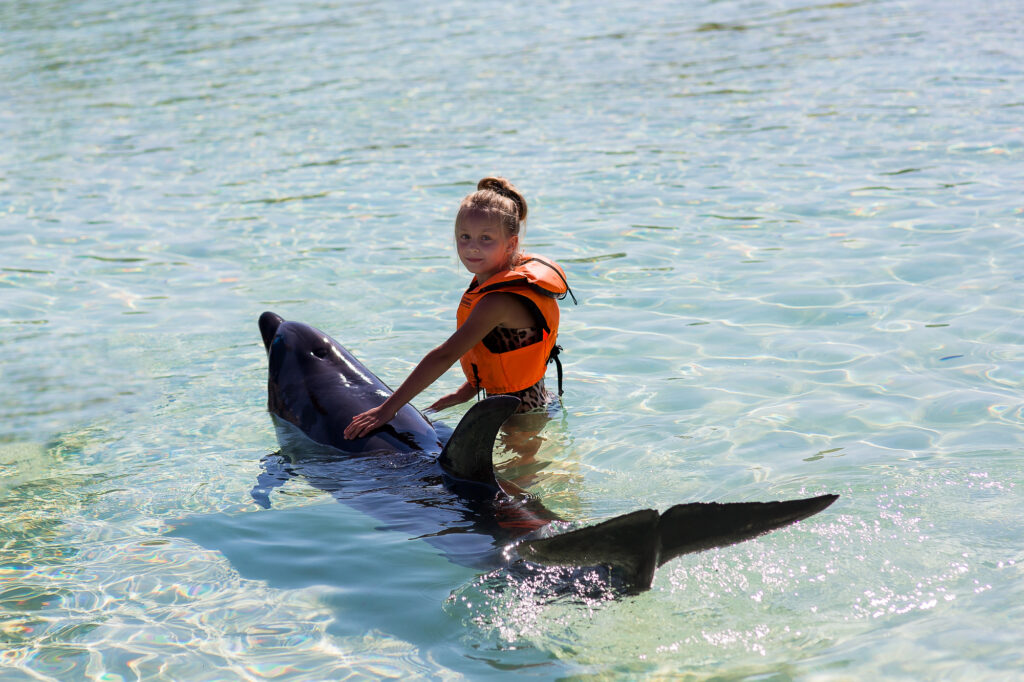
That once-in-a-lifetime wildlife encounter might look magical on Instagram, but behind some of the most extraordinary animal photos lies a reality travelers rarely see.
Picture a tourist standing waist-deep in turquoise water, smiling as an enormous whale shark glides close enough for the perfect underwater selfie. Thousands of miles away, another traveler cradles an adorable sloth while a guide carefully positions its face toward the camera. Meanwhile, somewhere in Africa, a young lion cub is passed from one delighted visitor to another, providing a steady stream of unforgettable vacation memories.
The photographs look extraordinary, the experiences seem magical, and everyone goes home believing they have connected with nature. But what if the animals are paying a price that never appears in the pictures?
As wildlife tourism becomes increasingly focused on creating shareable moments, the distinction between experiencing nature and manipulating it for entertainment is becoming more important than ever. The uncomfortable truth is that some wildlife encounters marketed as conservation experiences actually encourage practices that compromise the very animals travelers believe they are helping.
Understanding the difference between ethical wildlife tourism and animal exploitation does not mean giving up incredible encounters, but it might change how you choose to experience them. In fact, some of the most memorable wildlife experiences happen when humans stop trying to control the encounter and allow nature to take the lead.
When Wildlife Becomes Part of the Performance
Photo Credit: Deposit Photos.
There is something fundamentally different about encountering a wild animal unexpectedly and visiting an attraction where its appearance is practically guaranteed. In the wild, animals decide where to travel, when to feed, how long to rest, and whether they want anything to do with the humans watching them.
In some tourism operations, those decisions are increasingly made by schedules, feeding routines, handlers, and the expectations of paying customers. A tiger that appears perfectly relaxed beside tourists might not be displaying natural behavior, while an elephant patiently accepting a succession of visitors may have been conditioned to tolerate interactions it would otherwise avoid.
The problem is not necessarily the photograph itself, but everything that might have happened to make that photograph possible. Responsible wildlife encounters generally allow animals to control their participation, while questionable operations often prioritize the visitor’s experience over the animal’s freedom to behave naturally.
When a tour promises guaranteed close contact with a wild animal, that promise deserves considerably more scrutiny than an ordinary sightseeing advertisement. Wildlife is unpredictable by nature, and an encounter that seems suspiciously convenient might involve practices worth investigating before purchasing a ticket.
The Whale Sharks That Learned to Wait for Breakfast
Photo Credit: Deposit Photos.
Few experiences compare with slipping into the ocean and discovering that the world’s largest fish is swimming nearby. Whale sharks are extraordinary creatures, capable of traveling immense distances while filtering plankton and other tiny organisms from the water.
At Oslob in the Philippines, however, tourism operators have historically attracted whale sharks by feeding them shrimp, creating unusually predictable encounters for visitors. Instead of relying entirely on naturally occurring encounters, tourism activities at this location have involved provisioning animals to encourage their presence.
Researchers studying this practice found that some sharks began arriving earlier at feeding sites as they learned to associate the boats with food. A study published in PeerJ in 2015 also documented changes in feeding behavior and reduced avoidance of human contact among sharks repeatedly exposed to provisioning.
Subsequent research found persistent problems with tourists approaching too closely, raising concerns about how repeated interactions could affect these enormous but vulnerable animals. Although the long-term consequences remain an area of scientific debate, the documented behavioral changes illustrate why researchers continue examining the effects of feeding-based tourism.
That complexity matters because protecting wildlife and supporting the people who depend on wildlife tourism should not be treated as competing goals. Tourism revenue can create meaningful economic opportunities for coastal communities, making it important to develop practices that protect both local livelihoods and marine ecosystems.
The better question is whether a destination can create meaningful economic opportunities without requiring animals to change their natural behavior for the convenience of visitors. For travelers, choosing encounters that rely on finding naturally occurring whale shark aggregations rather than attracting animals with food is one way to reduce that concern.
Why Feeding Wildlife Can Become a Dangerous Habit
Photo Credit: Deposit Photos.
Offering food to an animal can feel like a harmless gesture of friendship, especially when the animal approaches willingly. Unfortunately, what appears to be a small interaction can influence behavior long after the visitor has left.
The National Oceanic and Atmospheric Administration warns that feeding wild dolphins can teach them to associate people and boats with food, making them more vulnerable to propeller strikes, fishing gear, and dangerous encounters. Animals that repeatedly receive handouts may also spend less time pursuing natural feeding behaviors, with learned habits potentially influencing other members of their social groups.
The consequences can become especially serious when large predators begin associating humans with an easy meal. In American national parks, wildlife managers have long warned that food-conditioned bears can become increasingly comfortable around people, creating situations that sometimes end with the animals being euthanized.
For photographers, baiting can produce dramatic images by drawing animals into predictable locations, but the resulting pictures may conceal risks that extend far beyond the photography session. Even when an animal appears healthy and eager to participate, repeated feeding can create patterns that undermine its ability to navigate a world shared with people.
Not every form of wildlife provisioning has identical ecological consequences, and the scientific debate surrounding shark-feeding tourism demonstrates why individual practices deserve careful evaluation. Still, an operator who routinely changes an animal’s behavior simply to improve the odds of an impressive photograph should be prepared to explain how those interactions are managed and what independent evidence supports their safety.
The Hidden Cruelty Behind Animal Selfies
Photo Credit: Deposit Photos.
Few wildlife photographs generate instant affection quite like a tourist holding a sleepy sloth. With their gentle expressions, slow movements, and seemingly permanent smiles, sloths almost appear designed for the camera.
Unfortunately, their apparent calm can make it difficult for visitors to recognize when something is wrong. Investigations by World Animal Protection documented sloths being removed from natural habitats and repeatedly handled by tourists in parts of the Amazon region.
Researchers observed animals held improperly by their limbs, positioned unnaturally for photographs, and subjected to repeated interactions that could cause significant stress. Because sloths spend much of their lives supported by tree branches, being passed between unfamiliar people is far removed from their normal physical environment.
Their quiet behavior should never be mistaken for evidence that they enjoy being handled. Animals respond to stress in different ways, and the absence of obvious struggling does not necessarily indicate comfort or consent.
The same concern extends to attractions offering photographs with tiger cubs, lion cubs, monkeys, and other wild animals that would not naturally seek prolonged physical contact with strangers. A young animal that tolerates constant handling may appear unusually friendly, but visitors rarely know what training, confinement, or separation from its mother made the interaction possible.
According to animal welfare guidance from the travel association ABTA, tourist activities involving holding lion cubs and direct interactions such as elephant riding or bathing are considered unacceptable practices. For travelers hoping to make an ethical choice, the simplest approach is to avoid attractions that sell direct physical access to wild animals as entertainment.
When a Wildlife Sanctuary Isn’t Really a Sanctuary
Photo Credit: Deposit Photos.
The word “sanctuary” can inspire immediate trust, particularly among travelers who genuinely want their tourism dollars to help rescued animals. Unfortunately, the name itself does not guarantee that an attraction operates according to meaningful animal welfare standards.
A facility might advertise its rescued elephants, rescued big cats, or orphaned wildlife while simultaneously encouraging feeding sessions, bathing experiences, staged encounters, or hands-on photographs. These activities can generate revenue, but they also create a troubling incentive to maintain a continuing supply of animals available for tourist interactions.
Authentic sanctuaries should prioritize the animals’ long-term welfare, including opportunities to retreat from visitors, appropriate social environments, veterinary care, and species-specific living conditions. They should also be transparent about where their animals came from, whether breeding occurs, and how visitor activities support their mission.
ABTA’s animal welfare guidance specifically identifies breeding and commercial trading in sanctuaries as unacceptable practices. A facility claiming to rescue animals while breeding more animals for visitor interactions should therefore raise serious questions about its actual priorities.
A responsible elephant sanctuary, for example, might allow guests to observe elephants exploring, feeding naturally, bathing independently, and interacting with one another without requiring tourists to participate physically. That kind of visit may offer fewer opportunities for dramatic close-up photographs, but it also provides a much more meaningful understanding of the animal’s natural needs.
The best wildlife facilities do not measure success by how many visitors touch an animal, but by how well the animals are able to live without unnecessary human interference. For travelers, learning to recognize that distinction can make the difference between supporting genuine animal welfare and unintentionally funding continued exploitation.
The Wildlife Photo That Disturbs an Entire Beach
Photo Credit: Deposit Photos.
Not all harmful wildlife encounters involve feeding, confinement, or direct contact. Sometimes the most damaging behavior is simply getting too close at precisely the wrong moment.
Consider a sea turtle emerging from the ocean to lay her eggs on a tropical beach. For a photographer, the scene represents an extraordinary opportunity to capture one of nature’s most remarkable reproductive journeys.
For the turtle, however, an unexpected flash, bright phone screen, or crowd blocking her path can interfere with an already demanding process. The Florida Fish and Wildlife Conservation Commission warns that artificial light and disturbances can cause nesting females to abandon their attempts and can disorient hatchlings trying to reach the ocean.
Newly hatched turtles depend on environmental cues to navigate toward the sea, and distracting them can increase their vulnerability to exhaustion, dehydration, and predators. Even well-intentioned visitors can interfere with this process simply by using inappropriate lighting or standing in the wrong location.
Responsible turtle-watching programs, such as Sea Turtle Oversight Protection (STOP), use carefully managed viewing practices, limit disturbances, and set clear rules for lighting, photography, and visitor positioning. Similar principles apply to bird nesting sites, marine mammal resting areas, and places where young animals depend on adults for protection and feeding.
A responsible wildlife photographer understands that getting the shot is never more important than allowing the animal to complete the behavior being photographed. Sometimes the most ethical decision is to put the camera away, increase the distance, and appreciate the experience without attempting to capture every detail.
Why the Best Wildlife Guides Sometimes Tell You No
Photo Credit: Jenn Coleman.
One of the clearest differences between ethical wildlife tour operators and questionable ones is how they respond when an animal does not cooperate. A poor operator might pursue a whale that repeatedly dives away, move closer to a resting animal, or encourage guests to surround a creature so it cannot escape the cameras.
A responsible guide recognizes those same behaviors as reasons to change course, increase distance, or end an encounter entirely. NOAA’s marine wildlife viewing recommendations emphasize maintaining appropriate distances, avoiding pursuit, and never surrounding animals or blocking their escape routes.
These guidelines exist because even seemingly passive observation can become disruptive when animals feel threatened or cannot move freely. What appears to be a harmless attempt to get a better view can interfere with resting, feeding, migration, or other essential activities.
The best guides also understand that wildlife viewing should be an educational experience rather than simply a race to collect sightings. Instead of promising to deliver every animal on a checklist, they explain habitats, track signs, interpret behavior, and share the challenges facing local ecosystems.
They may spend considerable time discussing conservation efforts, human-wildlife conflict, or the delicate relationships between predators and prey. These insights can transform an ordinary wildlife excursion into a deeper understanding of the environment and the extraordinary animals that inhabit it.
Sometimes responsible guides will stop a vehicle rather than move closer, decline a particular route, or tell an enthusiastic photographer that the animal has had enough attention. Those decisions might disappoint a few visitors in the moment, but they demonstrate that the operator is willing to protect wildlife even when doing so might compromise the customer experience.
Can Wildlife Tourism Actually Help Conservation?
Photo Credit: Ed Coleman.
Despite its problems, wildlife tourism is not inherently harmful, and abandoning it altogether could create serious challenges for communities and conservation programs that depend on responsible visitation. When managed appropriately, tourism can give living wildlife economic value and create incentives to protect habitats that might otherwise face pressure from development or extractive industries.
Local guides, conservation organizations, lodging providers, and surrounding communities can all benefit when travelers choose experiences that support healthy ecosystems. The key is ensuring those economic benefits do not depend on forcing animals into unnatural interactions.
A thoughtfully operated safari, for example, can support conservation through park fees, local employment, and partnerships with protected areas while allowing predators and prey to move freely. Responsible marine tourism can help visitors understand ocean conservation while following established rules designed to protect whales, dolphins, sharks, and other marine life.
Even wildlife photography can play a positive role by increasing public appreciation for threatened species and drawing attention to habitat loss. Powerful images have the ability to inspire people who may never have the opportunity to experience these animals in their natural environments.
However, claims about conservation should always be supported by measurable actions rather than attractive marketing language. A company that advertises its commitment to protecting animals should be able to explain where conservation funding goes, who benefits locally, and what rules govern its encounters.
Responsible tourism is not just about avoiding harm, but also about creating genuine benefits for wildlife and the places where it lives. Travelers who choose carefully can help support operators that demonstrate conservation is more than a promotional message.
Seven Questions to Ask Before Booking a Wildlife Experience
Photo Credit: Deposit Photos.
The photographs on a tour operator’s website can reveal plenty about the experience being sold, but asking a few additional questions often tells a much more important story. Before committing to an animal encounter, consider these seven questions that can help separate responsible wildlife tourism from potentially harmful attractions.
1. Are the animals wild, captive, or habituated to people? Understanding whether encounters occur naturally or depend on ongoing human intervention is the starting point for evaluating any wildlife activity.
2. Are animals fed, baited, touched, or physically positioned for photographs? Operators should openly disclose these practices rather than presenting carefully orchestrated encounters as spontaneous wildlife experiences.
3. Can the animals leave whenever they want? Genuine freedom to retreat is one of the most important differences between respectful observation and forced interaction.
4. What happens when wildlife does not appear? Operators who explain that sightings are never guaranteed generally demonstrate a more realistic understanding of working with wild animals.
5. What rules protect the animals during encounters? Responsible companies should clearly communicate approach distances, visitor limits, photography restrictions, and procedures for responding to signs of disturbance.
6. How does the experience benefit conservation and local communities? Look for specific programs, meaningful local employment, transparent partnerships, and evidence that tourism revenue supports the places and species being visited.
7. What do independent animal welfare organizations say about this activity? Reviewing reputable welfare guidance, scientific research, and conservation recommendations can help distinguish legitimate protection efforts from clever marketing.
Travelers should also remember that certifications, glowing reviews, and impressive social media accounts are useful starting points rather than definitive proof of ethical practices. A little research before booking can help ensure that money intended to celebrate wildlife is not inadvertently supporting its exploitation.
The Most Extraordinary Encounters Are the Ones We Cannot Control
Photo Credit: Jenn Coleman.
There is a particular kind of magic in watching an animal behave exactly as it would if you were not there. Perhaps it is a whale surfacing unexpectedly beside a distant boat, a bear searching a riverbank for food, or a giraffe wandering across the African savanna without acknowledging the safari vehicle nearby.
These moments may not unfold on schedule, and they certainly do not come with guarantees that the lighting, positioning, or timing will be perfect. Yet their unpredictability is precisely what makes them so remarkable.
In an age when almost every travel experience seems designed to produce beautiful photographs, choosing to observe rather than interfere can feel surprisingly radical. It requires patience, a willingness to accept disappointment, and the understanding that wildlife does not exist to perform for an audience.
For travelers who truly love animals, however, that is not a sacrifice but an opportunity to experience nature on its own terms. The memories created by watching wildlife behave naturally often become far more meaningful than the perfectly staged encounters that dominate social media.
The Best Wildlife Souvenir Is Knowing You Did No Harm
Photo Credit: Jenn Coleman.
The next time an irresistible animal encounter appears in your social media feed, it is worth looking beyond the beautiful photograph and considering what might have happened outside the frame. Was the animal free to leave, was its behavior natural, and did the experience support its welfare rather than simply satisfy a visitor’s expectations?
Those questions may not generate as many likes as an unforgettable selfie, but they can make an enormous difference to the animals whose lives intersect with ours. Every booking decision also sends a message about the kinds of wildlife experiences travelers are willing to support.
At Coleman Concierge, we believe some of travel’s greatest rewards come from stepping outside our comfort zones and developing a deeper connection with the world around us. When it comes to wildlife, that connection should be built on curiosity, respect, and a willingness to put the animal’s needs before our own.
After all, the most meaningful wildlife encounter is not necessarily the one that produces the perfect photograph, but the one that allows the animal to remain beautifully, wonderfully wild. Choosing responsible wildlife tourism ensures those extraordinary moments can continue inspiring future travelers without compromising the creatures that make them possible.