The most important factors when choosing hotels in Sri Lanka are location, seasonal weather, facilities, accessibility, and value for money. The island offers a diverse range of accommodation, from beachfront resorts along the southern and eastern coasts to heritage hotels in the Cultural Triangle and scenic retreats in the central highlands. As each region offers a different holiday experience, comparing these factors can help travellers find accommodation that suits their interests, budget, and preferred style of travel. This is especially useful when searching for the best hotels in Sri Lanka.
Overview
Sri Lanka’s hotel industry caters to a wide range of travellers, including families, couples, adventure enthusiasts, wellness seekers, and visitors interested in culture and heritage. Coastal resorts are particularly popular for beach holidays, while properties in destinations such as Kandy, Nuwara Eliya, and Ella appeal to travellers seeking cooler climates and mountain scenery. Hotels in the Cultural Triangle provide convenient access to ancient cities, archaeological attractions, and wildlife experiences.
The ideal accommodation depends largely on the purpose of the visit. Travellers planning a relaxing holiday may prioritise beachfront access and recreational facilities, while those exploring the island’s heritage sites may prefer hotels close to major attractions. Comparing these options helps visitors make informed decisions without compromising on comfort or convenience.
Comparison Table
Factor
Beachfront Resorts
Hill Country Hotels
Cultural Triangle Hotels
City Hotels
Best for
Beach holidays, families, and couples
Nature lovers, wellness seekers, and scenic escapes
Cultural exploration and heritage tourism
Business travel, shopping, and short stays
Popular locations
Bentota, Ahungalla, Galle, and Trincomalee
Kandy, Nuwara Eliya, and Ella
Sigiriya, Dambulla, and Anuradhapura
Colombo and Negombo
Accommodation style
Beachfront rooms, suites, and luxury resorts
Heritage properties, boutique hotels, and mountain retreats
Nature-focused resorts and heritage-inspired accommodation
Business hotels, luxury suites, and serviced apartments
Typical experiences
Swimming, water sports, coastal excursions, and spa treatments
Tea estate visits, hiking, and scenic train journeys
Ancient temples, archaeological sites, and wildlife safaris
Shopping, dining, entertainment, and cultural attractions
Climate considerations
Conditions vary between coastal regions and monsoon seasons
Generally cooler, particularly at higher elevations
Warm conditions with seasonal rainfall
Warm and humid throughout much of the year
Accessibility
Depends on the coastal destination
Mountain roads can increase travel times
Longer transfers from major airports
Generally convenient access to transport and commercial areas
Main consideration
Seasonal sea conditions and beach accessibility
Travel time and changing mountain weather
Distance between attractions and daytime temperatures
Traffic congestion and limited natural surroundings
Accommodation
Accommodation style is one of the most important factors when choosing a hotel in Sri Lanka. Beachfront resorts generally provide spacious surroundings, swimming pools, restaurants, wellness facilities, and recreational activities, making them suitable for travellers who prefer spending considerable time at their hotel. Hill Country properties often focus on scenic views, distinctive architecture, and experiences connected to tea plantations and mountain landscapes.
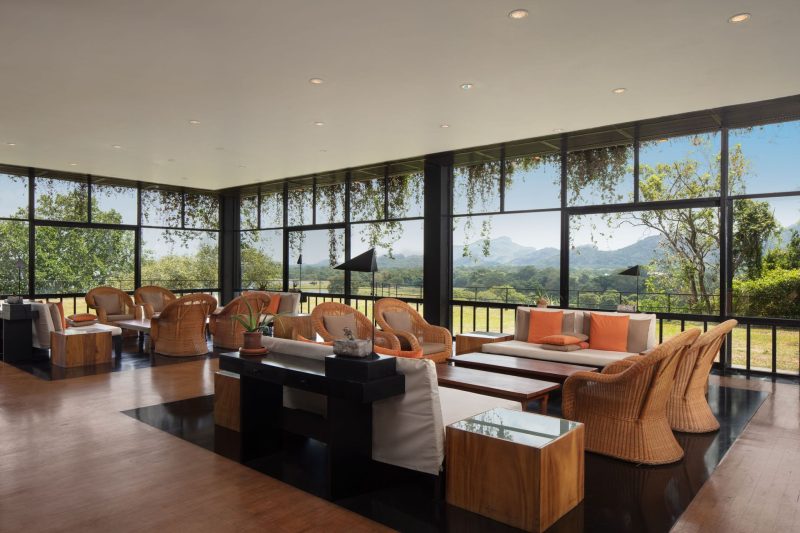
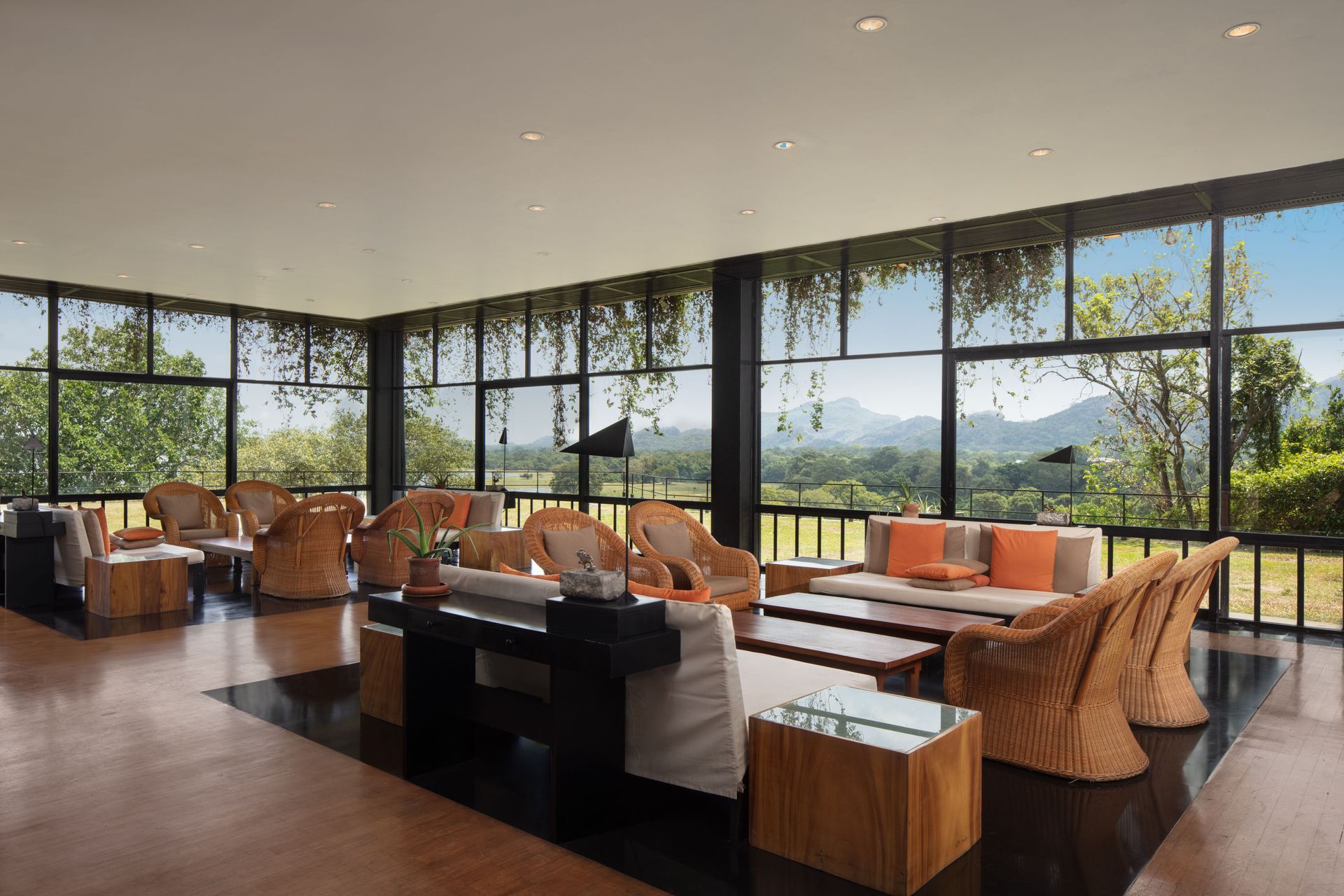
Hotels in the Cultural Triangle are particularly appealing to travellers interested in history and nature. Properties such as Heritance Hotels & Resorts offer accommodation across different regions of Sri Lanka, including Heritance Kandalama near Dambulla, Heritance Tea Factory in Kandapola, and Heritance Ahungalla along the southern coast. These properties demonstrate how accommodation can reflect the character of its surroundings, whether through architecture, heritage, or access to regional attractions.
City hotels provide a different experience, with business facilities, convenient transport connections, restaurants, and access to shopping and entertainment. Travellers should therefore consider whether they prefer a self-contained resort experience or accommodation that serves primarily as a base for exploring the destination.
Cost
Hotel costs in Sri Lanka vary according to location, accommodation category, travel season, and available facilities. Luxury beachfront resorts and boutique properties may command higher rates during peak holiday periods, while city hotels and smaller accommodation providers can offer more flexible options across different budgets.
Seasonality also influences pricing. The southwest coast generally experiences more favourable beach conditions from approximately December to March, while the east coast is often better suited to beach holidays between May and September. Demand during these periods can affect accommodation availability and room rates.
Travellers should also consider expenses beyond the advertised room rate. Meal plans, airport transfers, excursions, service charges, taxes, and recreational activities can significantly influence the total holiday budget. Comparing the overall value of different properties is often more useful than focusing exclusively on nightly rates.
Experiences
The experiences available around a hotel can significantly influence the quality of a Sri Lankan holiday. Beachfront properties are ideal for travellers interested in coastal activities, including boat excursions, water sports, and visits to nearby fishing villages. However, the availability of these activities depends on seasonal sea conditions and the hotel’s location.
Hill Country hotels offer a different range of experiences, including guided walks through tea plantations, scenic train journeys, cycling, and visits to waterfalls. Travellers staying around Nuwara Eliya can also explore Horton Plains National Park, tea estates, and colonial-era attractions.
Hotels in the Cultural Triangle provide access to some of Sri Lanka’s most significant historical landmarks. Visitors can explore Sigiriya Rock Fortress, Dambulla Cave Temple, and the ancient cities of Anuradhapura and Polonnaruwa. Wildlife excursions to nearby national parks can also be incorporated into the itinerary.
City hotels are better suited to travellers interested in shopping, restaurants, museums, and cultural attractions. Colombo, in particular, offers a combination of contemporary entertainment and historical landmarks, making it a practical base for shorter visits.
Best For Different Types of Travellers
Beachfront resorts are generally the best choice for families and couples who want a relaxing holiday with recreational facilities, dining options, and convenient beach access. They are also suitable for travellers who prefer spending several days in one location rather than moving between destinations.
Hill Country hotels are particularly appealing to couples, nature enthusiasts, and travellers seeking cooler temperatures. The scenic surroundings and opportunities for outdoor exploration make these properties suitable for peaceful holidays and romantic getaways.
Cultural Triangle hotels are ideal for history enthusiasts, photographers, and families interested in educational travel experiences. Staying close to major archaeological attractions can reduce travel time and allow visitors to explore popular sites earlier in the day.
City hotels are more appropriate for business travellers, short-stay visitors, and those who prioritise shopping, dining, and transport convenience. They can also serve as practical accommodation options before or after longer journeys around the island.
Conclusion
Choosing the right hotel in Sri Lanka depends on balancing location, accommodation style, cost, accessibility, and the experiences travellers want to enjoy. Beachfront resorts are better suited to relaxing coastal holidays, while Hill Country hotels offer scenic surroundings and nature-based experiences. Cultural Triangle properties provide access to the island’s rich heritage, whereas city hotels prioritise convenience and modern facilities.
Ultimately, the best accommodation is not necessarily the most expensive or highly rated property, but one that complements the purpose of the journey. By comparing these factors carefully, travellers can enjoy a more comfortable, rewarding, and well-planned holiday in Sri Lanka.