There is a particular kind of travel confidence that comes with getting older. You stop worrying about whether you are visiting the trendiest destination, squeezing enough attractions into your itinerary, or getting your money’s worth out of every waking minute. Somewhere between your twenties and your fifties, the definition of an incredible vacation changes. You still want adventure, perhaps more than ever, but you have learned that the best experiences are not necessarily the most exhausting, expensive, or impressive on social media.
At Coleman Concierge, we believe the sweet spot of travel is where extraordinary adventures meet exceptional experiences. After decades of exploring the world together, we have discovered that some trips are actually better when you have a little life experience behind you. Whether it is the financial freedom to book that remarkable lodge, the confidence to tackle something challenging, or the wisdom to appreciate a quiet moment, these ten vacations offer something that younger travelers often overlook. And the best part? You are nowhere near too old to enjoy them.
An African Safari Where You Can Afford to Stay in the Wild
Photo Credit: Jenn Coleman.
In your twenties, an African safari might mean saving for years, choosing the least expensive accommodations, and hoping a few days of game drives deliver the wildlife encounters you have been dreaming about. In your forties and fifties, the experience can become something entirely different. Instead of simply trying to see the Big Five, you can immerse yourself in the rhythms of the African wilderness.
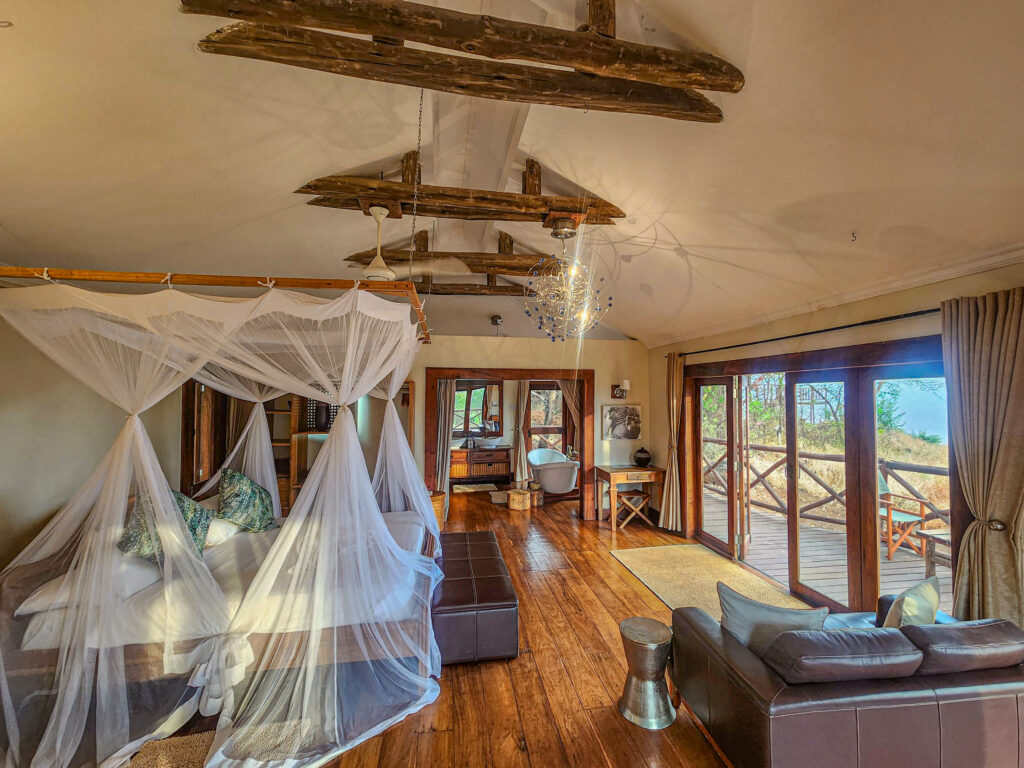
Our safari through Tanzania’s Serengeti, Ngorongoro Crater, and Tarangire National Park reinforced just how much the details matter. There is something magical about staying in a beautiful tented lodge, listening to the sounds of the bush after dark, and waking before sunrise knowing that an extraordinary wildlife encounter could be waiting around the next bend. We once spent approximately five hours observing a leopard and her cub, an experience that required patience rather than adrenaline.
That patience might be the greatest advantage of traveling later in life. You no longer need every moment to deliver instant gratification. You understand that watching an elephant family interact or waiting for a predator to emerge from the grass can be more rewarding than racing between sightings. Pair that perspective with outstanding guides, thoughtfully chosen lodges, and a few luxurious touches, and an African safari becomes much more than a bucket-list vacation.
A Romantic European Escape Without the Backpacker Budget
Photo Credit: Jenn Coleman.
Europe in your twenties often revolves around how many countries you can visit before your rail pass expires. There are hostels, overnight buses, crowded landmarks, and meals chosen primarily because they are inexpensive. It is a wonderful way to see the world when you are young, but there is an entirely different pleasure in returning when you can afford to slow down.
Imagine spending a week exploring Tuscany without changing hotels every other night. Your mornings might begin with coffee overlooking vineyards, followed by a cooking class with a local chef or a leisurely drive through medieval hill towns. In the afternoon, you could wander through a village without consulting your watch, knowing that your evening will end at a beautiful countryside hotel rather than another train station.
The same philosophy works in Provence, Portugal’s Douro Valley, or the Greek islands. Instead of collecting famous landmarks, you begin collecting experiences that feel personal. A private sailing excursion, a memorable meal, or a boutique hotel with an unforgettable view becomes part of the story. For couples in their forties and fifties, these romantic European getaways offer something that a whirlwind itinerary rarely delivers: uninterrupted time to actually enjoy each other.
A Liveaboard Scuba Diving Adventure in the Caribbean
Photo Credit: Jenn Coleman.
Scuba diving is one of those adventures that can become even more rewarding as you gain experience. In your twenties, the excitement might revolve around getting certified, finding inexpensive dive packages, and spending as much time underwater as possible. Years later, you begin appreciating the difference that a great crew, comfortable accommodations, and a carefully planned itinerary can make.
A week aboard a luxury liveaboard in the Bahamas is a perfect example. Instead of returning to shore after every dive, you wake up surrounded by brilliant blue water, enjoy breakfast prepared by the crew, and head directly into another underwater adventure. Between dives, there is time to relax on deck, share stories with fellow travelers, and enjoy the kind of ocean views that no beachfront resort can replicate.
As experienced divers and ambassadors for All Star Liveaboards, we have developed a particular appreciation for this style of travel. The adventure is still very real, with reef walls, sharks, shipwrecks, and the unexpected surprises that make scuba diving addictive. However, the difference is that everything surrounding the adventure can feel wonderfully effortless.
There is also something deeply satisfying about learning to become a better diver rather than simply logging more dives. Experience tends to bring improved buoyancy, greater awareness, and a deeper respect for marine ecosystems. A luxurious liveaboard is certainly not a requirement for great diving, but when you have the means to enjoy one, the combination of exploration and comfort is difficult to beat.
A Japanese Cultural Journey That Rewards Curiosity
Photo Credit: Deposit Photos.
Japan is fascinating at any age, but it is particularly rewarding when you have developed an appreciation for craftsmanship, hospitality, and traditions that reveal themselves slowly. A younger traveler might build an itinerary around Tokyo nightlife, themed cafés, and the country’s famously efficient transportation network. Those experiences can still be entertaining, but Japan offers much more for visitors willing to look beneath the surface.
A trip through Kyoto, Kanazawa, and Japan’s mountain regions creates opportunities to explore traditional architecture, gardens, regional cuisine, and historic neighborhoods. Staying in a ryokan, a traditional Japanese inn, can become one of the highlights of the journey. Many offer beautifully prepared multicourse meals, distinctive accommodations, and access to Japanese hot spring bathing traditions.
The Japan National Tourism Organization describes ryokan stays as immersive hospitality experiences, with some properties offering private baths and exceptional dining. These are precisely the kinds of details that make a slower, more intentional vacation so memorable.
The real luxury of visiting Japan in midlife is having the curiosity and time to appreciate why things are done a particular way. Rather than rushing from attraction to attraction, you can spend an afternoon learning about ceramics, attending a tea ceremony, or exploring the subtle differences between regional culinary traditions. For travelers who value meaningful cultural experiences, that shift in perspective can transform the entire trip.
An Alaskan Wilderness Adventure With a Comfortable Place to Land
Photo Credit: Jenn Coleman.
Alaska is a destination that can completely rearrange your priorities. It certainly did for us. After exploring glaciers, mountains, remote communities, and extraordinary landscapes across the state, we fell so deeply in love with Alaska that we began seriously considering making it our home.
What makes Alaska particularly appealing for travelers in their forties and fifties is the sheer variety of adventure available. You can hike across a glacier, explore the backcountry on an ATV, take a scenic flight over towering mountains, or spend the afternoon watching wildlife. The physical challenges are there when you want them, but you do not have to prove anything by making every day an endurance test.
Consider combining a glacier excursion with a beautiful wilderness lodge, a boutique hotel overlooking the water, or a relaxing evening in a hot tub beneath the mountains. A visit to the Kenai Peninsula might include a challenging hike one day and a leisurely boat excursion the next. Farther north, an aurora-focused getaway can combine winter activities with comfortable accommodations and expert guides.
In your twenties, roughing it can feel like an essential part of the adventure. By your fifties, you may discover that a spectacular wilderness experience followed by an excellent meal and a truly comfortable bed is an even better combination. Alaska makes it remarkably easy to embrace both sides of that equation.
An Active Vacation That Challenges You Without Punishing You
Photo Credit: Jenn Coleman.
There is a strange assumption that adventurous travel belongs primarily to younger people. Anyone who has spent time around experienced hikers, cyclists, skiers, or divers knows how inaccurate that idea can be. Your forties and fifties can be an incredible time to pursue active vacations, especially when you have learned to distinguish a satisfying physical challenge from unnecessary suffering.
One of our most memorable international adventures began with a four-day, three-night cycling journey from Bangkok toward Chumphon, Thailand. What made the experience special was not simply the distance we covered. It was the opportunity to travel through communities we might never have visited otherwise, learning about local culture from our guide and support driver along the way.
That is the appeal of thoughtfully designed active travel. A supported cycling tour through Thailand, a guided hiking adventure in Patagonia, or a ski vacation in the Rockies lets you experience a destination through movement without requiring you to sacrifice comfort. With professional guides, transportation support, and well-chosen accommodations, the logistics become part of the service rather than another challenge to overcome.
Perhaps the biggest difference at this stage of life is knowing how to prepare for the adventure you actually want. You recognize the value of training, recovery days, appropriate equipment, and choosing routes that suit your abilities. Instead of measuring success by how exhausted you feel afterward, you can focus on the scenery, cultural connections, and satisfaction of doing something extraordinary.
A Luxury Train Journey Where the Journey Is the Vacation
Photo Credit: Deposit Photos.
In your twenties, spending several days traveling between destinations might seem like an inefficient use of precious vacation time. You want to arrive quickly, unpack, and start exploring. By your forties and fifties, the idea of slowing down enough to appreciate the journey itself can sound downright irresistible.
Luxury rail travel turns transportation into an experience. Imagine watching the Canadian Rockies unfold through panoramic windows, enjoying beautifully prepared meals, and settling into a comfortable seat as rivers, forests, and mountains roll past. Instead of navigating unfamiliar roads or managing constant transfers, you can spend your time talking, reading, photographing the scenery, and watching the world change outside.
The appeal extends well beyond North America. Scenic rail journeys through Switzerland, historic luxury trains in Europe, and premium rail itineraries in southern Africa offer different interpretations of the same idea. The destination remains important, but the hours spent getting there become some of the best moments of the vacation.
For couples seeking a romantic getaway, there is a special intimacy in traveling this way. You have space for long conversations, shared discoveries, and the simple pleasure of being together without a demanding schedule. It is a reminder that luxury is not always about having more to do. Sometimes, it is about having fewer reasons to hurry.
A Small-Ship Expedition to Somewhere Most Travelers Never Reach
Photo Credit: Jenn Coleman.
Some of the world’s most remarkable places are difficult to experience independently. Remote Alaskan fjords, wildlife-rich island ecosystems, and isolated coastal communities often require specialized transportation, experienced guides, and careful planning. That is where expedition cruising becomes particularly appealing.
Unlike conventional cruises centered on entertainment and large ports, small-ship expeditions place the emphasis on exploration. Depending on the destination and itinerary, your days might include kayaking along a wilderness shoreline, exploring by small boat, hiking with naturalist guides, or observing wildlife in places far removed from busy tourist routes.
Our small-ship adventures in Alaska and Hawaii helped demonstrate just how rewarding this approach can be. The most memorable moments were often the unexpected ones: an extraordinary wildlife encounter, a remote landscape, or an opportunity to learn from someone with a deep connection to the place we were visiting.
The Galápagos Islands offer another compelling example. Visitors exploring protected areas of the national park must follow strict conservation rules, including traveling with authorized naturalist guides. Choosing a responsible expedition operator can add valuable interpretation and access to carefully managed visitor experiences.
In midlife, expedition travel offers a particularly appealing balance. You can reach extraordinary places without organizing every complicated detail yourself, while still enjoying genuine outdoor adventure. The smaller groups, knowledgeable guides, and emphasis on discovery can make these trips feel both exclusive and profoundly meaningful.
A Food-Focused Vacation Where Every Meal Tells a Story
Photo Credit: Jenn Coleman.
There was probably a time when you considered a good vacation meal to be anything filling, affordable, and located reasonably close to your hotel. Food takes on a different importance when you begin to appreciate how deeply it connects people to their history, geography, and traditions.
A culinary vacation in your forties or fifties is not necessarily about eating at expensive restaurants every night. It is about understanding why certain foods belong to certain places. In Italy, that might mean exploring the relationship between regional agriculture and traditional recipes. In Thailand, it could involve wandering through local markets with a guide who explains unfamiliar ingredients and family cooking traditions.
You might plan an entire journey around regional specialties, combining cooking classes, market visits, farm experiences, and memorable restaurants. For a romantic escape, a beautiful meal overlooking the Mediterranean can be unforgettable, but so can an afternoon learning to prepare a traditional dish alongside someone who has been making it for decades.
One of the advantages of traveling later in life is becoming less interested in impressing people with your dining choices. You can appreciate exceptional service and sophisticated cuisine while remaining equally enthusiastic about a tiny family-run restaurant. The best food experiences are not always the fanciest, and knowing the difference can make every destination taste a little better.
A Romantic Island Escape That Is About More Than the Beach
A tropical vacation in your twenties might revolve around beach parties, inexpensive cocktails, and how many activities you can squeeze into a week. There is certainly nothing wrong with that version of paradise, but the islands offer another side that becomes especially appealing when you are seeking connection rather than constant entertainment.
Consider a private villa in the Caribbean, a boutique beachfront resort in French Polynesia, or a secluded property overlooking the Indian Ocean. Your days can still include snorkeling, scuba diving, sailing, hiking, and exploring local communities. The difference is that you no longer feel obligated to fill every available hour with activity.
For adventurous couples, the ideal island vacation combines just enough excitement with plenty of opportunities to reconnect. You might spend the morning diving over a vibrant reef, enjoy an afternoon massage, and finish the day with a romantic dinner overlooking the water. The adventure provides the stories, while the quieter moments give you time to appreciate them together.
The most meaningful part of this kind of getaway often has little to do with the destination’s price tag. After years of balancing careers, family responsibilities, and everyday demands, uninterrupted time together becomes a luxury in its own right. A beautiful setting simply gives that time an extraordinary backdrop.
Why Your 40s and 50s Might Be the Best Time to Travel
Photo Credit: Deposit Photos.
There is a misconception that the great adventures of life should happen when we are young, before responsibilities accumulate and our bodies begin reminding us that we are not invincible. But travel does not have an expiration date, and many of the qualities that make someone a wonderful traveler actually develop with age.
You become more comfortable navigating uncertainty, more interested in understanding different perspectives, and less concerned about doing things simply because everyone else is doing them. You may have greater financial flexibility, more control over your vacation choices, or a clearer understanding of what deserves your hard-earned money. Even when time remains limited, you become better at spending it intentionally.
Most importantly, you begin recognizing the difference between collecting experiences and genuinely experiencing them. A safari is no longer just about photographing wildlife. A romantic getaway becomes more than a beautiful hotel. An adventure is not simply an opportunity to test your physical limits. These trips become ways to learn, reconnect, challenge yourself, and appreciate just how much the world still has to offer.
At Coleman Concierge, our philosophy has always been that amazing adventures are for ordinary people willing to seek them out. Your twenties may have introduced you to the possibilities of travel, but your forties and fifties give you the perspective to enjoy those possibilities on your own terms. And if there is one thing we have learned from our adventures together, it is that the best trip of your life might still be the one you have not taken yet.