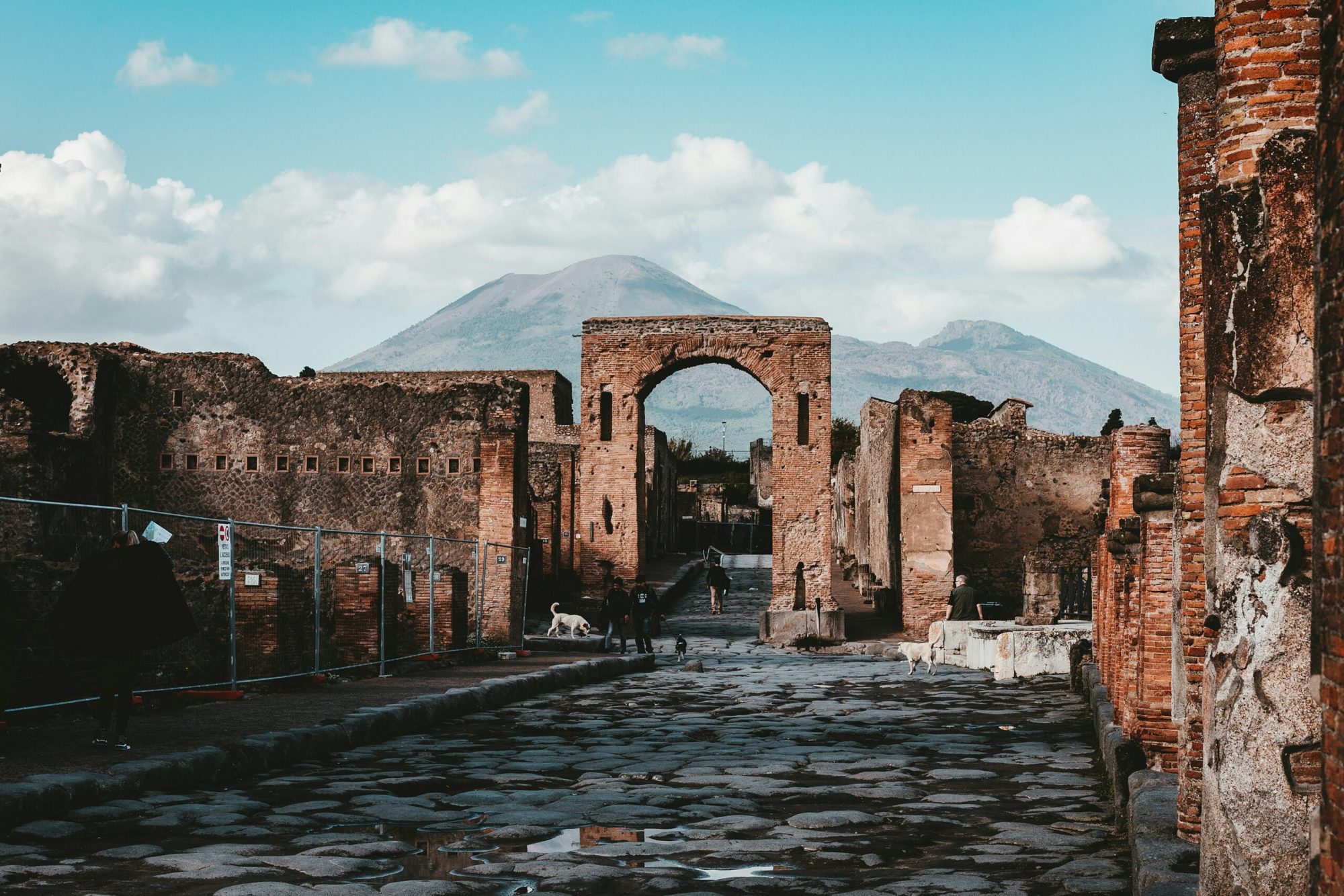
This is a guest post by Leena Kapoor, a writer and documentary enthusiast interested in how travel intersects with history, loss, and collective memory. She advocates for mindful travel that honors lived experiences rather than consuming them.
There is nothing as exciting and liberating as getting to travel. Be it for leisure, work, or even educational purposes, traveling is always a fun experience. What’s more, all the traveling that people do also helps the global economy.
Globally, the travel and tourism sector achieved a complete recovery to pre-pandemic levels in 2024 and saw record-breaking growth in 2025. In fact, last year, total international arrivals crossed the 1.50 billion mark, surpassing the previous 2024 record of 1.4 billion. This has worked wonders for the global GDP, which saw contributions of almost $11 trillion, thanks to travel and tourism. This sector basically represented 10 percent of the global economy in 2025.
While traveling is fun, those who go on these trips should be aware of several things, including the more sensitive ones. This is especially vital for those who plan on visiting places that have once been witnesses to human tragedies. These locations are not ordinary tourist spots filled with cheerful memories and lighthearted stories. They often carry real pain, loss, and lessons that still affect families and communities today.
In this article, we will explore some of the most important things to remember when visiting these powerful places.
#1 This Might Not Be About Entertainment
One of the most important things to understand is that tragic sites are not theme parks or photo backdrops. They exist because real people suffered, struggled, and often lost their lives in painful circumstances.
When you visit, your mindset matters more than your camera or social media account. Treating these places like casual attractions can feel deeply disrespectful to survivors and families.
Try to slow down and notice how the space feels around you. Listen to the silence, read the signs, and absorb the stories carefully. Laughing loudly, posing dramatically, or rushing through sends the wrong message. You do not have to feel sad the entire time, but you should feel thoughtful. Remember that someone’s worst day is the reason this place exists.
#2 Take Time to Understand What Happened
Before stepping into any place shaped by tragedy, it helps to know what actually occurred there. Reading about the events gives meaning to what you see and hear during your visit. Without context, buildings and displays can feel empty or confusing. With knowledge, they become powerful reminders of real human experiences.
Learning the background also prevents misunderstandings and careless behavior. When you know the details, you naturally become more respectful and patient. For example, visitors in Illinois sometimes learn about its connection to mistreatment at mental health care facilities operated by Universal Health Services. Many people become aware of the UHS lawsuit and legal claims against UHS for abuse in behavioral health centers only after researching. As TorHoerman Law notes, these cases often involve reports of assault, abuse, and serious failures in mental health care. Stories of patient harm inside mental health care facilities reveal how vulnerable individuals were placed at risk.
Reading about these situations helps visitors understand why such locations matter deeply to many families. It also reminds you that tragedies are not always old history, and some are recent, ongoing, and emotionally raw for those affected.
#3 Think Carefully Before Taking Photos
Photos can help you remember meaningful experiences, but they can also feel invasive in sensitive locations. Before pulling out your phone, pause and ask yourself why you want this picture. Is it for learning, memory, or understanding, or just for attention online?
Some places clearly allow photography, while others discourage it for emotional reasons. Always follow posted guidelines and respect staff instructions. Even when photos are permitted, avoid smiling selfies or dramatic poses.
Focus on capturing information, architecture, or displays instead. Remember that behind every image is a story involving real people who deserve dignity and privacy.
#4 Be Mindful of Your Behavior and Body Language
People often don’t know how to act or control their emotions, especially when traveling. For instance, in 2024, US federal aviation authorities investigated over 2,000 cases of unruly passenger incidents. That’s almost twice as many reports as in the pre-COVID era.
Basically, some people don’t even know how to behave themselves on public transport. Hence, there’s no saying how they might react when visiting certain places or tourist destinations. Your actions speak loudly in places shaped by suffering, even when you say nothing at all. Walking slowly, speaking softly, and respecting posted rules show that you care about the space. Small gestures, like putting away your phone or removing headphones, can make a big difference.
Pay attention to how others are behaving and follow the general tone of the environment. If people are quiet and reflective, match that energy. Avoid running, shouting, or treating the area casually. Even if nobody corrects you, your behavior still matters. Respect is not about being watched. It is about choosing kindness and awareness on your own.
#5 Acknowledge Your Emotional Reactions
Visiting sites connected to human suffering can bring up unexpected feelings. You might feel sadness, anger, confusion, or even emotional numbness. All of these reactions are normal and valid, and there is no correct way to feel in these spaces.
Give yourself permission to pause if things become overwhelming. Sit quietly, take deep breaths, or step outside briefly if needed. You do not have to push through discomfort to prove anything.
Processing these emotions is part of the learning experience. Talking later with a friend or writing about your thoughts can also help you understand what the visit meant to you.
FAQs
What is an example of disaster tourism?
An example of disaster tourism is visiting the Chernobyl Exclusion Zone in Ukraine. Tourists explore abandoned buildings and learn about the 1986 nuclear accident. Such travel focuses on sites affected by natural or human-made disasters for education, curiosity, or historical understanding.
How to avoid tourist traps in foreign countries?
To avoid tourist traps, research destinations in advance using trusted blogs, forums, and local guides. Explore neighborhoods away from main attractions, compare prices, and ask residents for recommendations. Avoid restaurants with aggressive advertising, translated-only menus, and inflated prices near popular landmarks.
What is dark tourism?
Dark tourism refers to visiting places linked to death, tragedy, or suffering, such as Auschwitz-Birkenau. Travelers visit these sites to learn history, reflect on human experiences, and honor victims. It focuses on education, remembrance, and understanding difficult past events.
Visiting places of human tragedy is never a casual experience, and it should not be treated as one. These locations carry deep emotional weight and important lessons about history, justice, and compassion.
By approaching them with curiosity, humility, and care, you honor the people whose lives were affected. When you treat tragic sites with genuine respect, you help keep their stories alive in meaningful and responsible ways.
The post 5 Things to Remember When Visiting Places of Human Tragedy appeared first on Hopping Feet.