This is a guest post by Alex Papadopoulos, a freelance travel journalist with Greek roots and a deep fascination for island culture, local life, and regional differences. Having travelled extensively across the Greek islands, Alex writes destination guides that help travellers match their interests — from food and history to beaches and nightlife — with the right island experience.
Choosing the right Greek island feels like a high-stakes puzzle because the “perfect” destination depends entirely on the lens through which you view it. While the Cyclades offer that iconic blue-and-white aesthetic, the Ionians provide lush greenery and calmer waters. To find your ideal match, you must look beyond the postcard and analyse how an island’s specific geography and infrastructure align with your daily habits.
Match your destination to your group
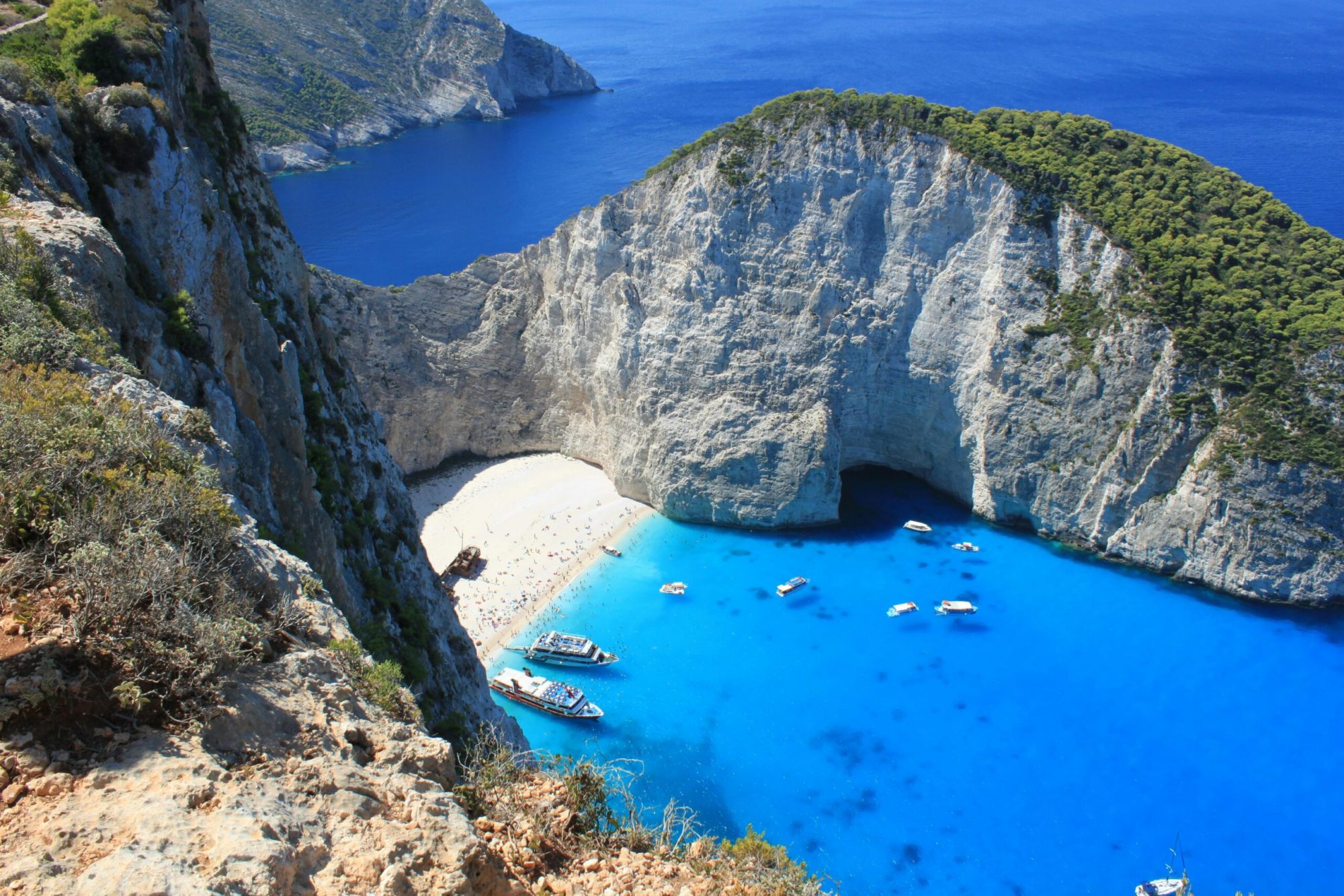
To begin with, you’ll want to think not just about yourself, but the kind of group that you’re going to be taking. For couples, the drama of the volcanic scenery on Santorini might be difficult to discount. If you want to take your family on a seaside holiday, then either Naxos or Zakynthos, with their welcoming, sandy beaches, might be worth checking out.
Among the more important considerations should be the walking distances involved. If you need to take the kids on a mile-long hike every time you want to visit a local taverna, then it might be time to reconsider. Group dynamics often dictate the “flow” of your day. For instance, multi-generational groups benefit from islands like Corfu, where the flat coastal roads in the north allow elderly travellers and toddlers to move between the hotel and the water without navigating steep, cobblestone inclines. Alternatively, a group of active friends might prefer the rugged trails of Amorgos. Therefore, this is arguably the most important factor to consider as picking the wrong holiday for the group could be detrimental to everyone’s enjoyment.
Evaluate the pace of nightlife
Nightlife can be a major point of difference between the islands. If you intend to stay up clubbing into the early hours, then you’ll want a different kind of experience from the holidaymaker who wants a quiet evening in a restaurant, and an early night.
Mykonos tends to satisfy the former kind of person, thanks to its habit of attracting superstar DJs, and its amazing club scene. If you’re looking for a more peaceful, rustic experience, and to savour the sound of surf without having to ignore the throb of a bass drum, then Folegandros, and other smaller islands, might be what you’re looking for. Understanding the vibe of an island helps you avoid the frustration of a mismatched schedule. On Ios, the energy peaks at 2:00 AM, meaning you might find the village ghost-like during the morning hours. If you prefer a sophisticated social scene without the thumping bass, Hydra offers a middle ground where the nightlife centres on harbour-side cocktail bars and intellectual conversation. By researching this beforehand, it allows you to enjoy the vibrant energy of the town centre while still securing the sleep necessary to enjoy the following day’s sunshine.
Consider accessibility and travel time
The actual process of getting to your destination can be exhausting – or it can be a breeze. And this difference doesn’t entirely stem from the time you spend moving. Larger islands like Crete and Corfu can be reached fairly directly via plane; smaller ones will often require a lengthy transfer on a ferry. While a direct flight to Rhodes places you on a beach within forty minutes of landing, reaching a gem like Astypalaia might involve an eight-hour ferry from Piraeus or a tiny, weather-dependent domestic flight. If you only have seven days, spending two of them in transit significantly reduces your relaxation time. Opting for an island with an international airport maximises your actual holiday time and picking the right villa can often make it much easier to plan the logistics during your holiday.
Prioritise specific outdoor activities
If you’re looking to go hiking, then the hills of Sifnos might appeal. Conversely, if you want to engage in watersports, then the kitesurfer-friendly coast of Rhodes might be hard to resist. Pick an island that matches your chosen activity, considering not just the geography of the island in question, but also the availability of instructors and equipment hire. Specialised interests require specialised wind and terrain conditions. For example, the Meltemi wind blows strongest in the central Aegean during July and August, which delights windsurfers on Paros but might frustrate someone hoping for a calm, paddle-boarding session. You should contact local dive centres or hiking guides at least a month in advance to verify seasonal availability and equipment sizes. Aligning your hobby with the island’s natural strengths ensures you don’t waste time searching for facilities that don’t exist.
Assess the local culinary scene
Naturally, what tempts many people to this part of the world will be the local food. Each island has something slightly different to offer, but the larger, more popular ones will pose a greater risk of you being lured into a tourist trap. The farm-to-table traditions on Crete and Sifnos are legendary – but a tour might allow you to sample local delicacies throughout the region, ranging from Cretan honey to Naxian potatoes. Foodies should prioritise islands with a strong agricultural backbone rather than those that rely entirely on imports. In Crete, the Dakos salad tastes superior because the tomatoes grew in the volcanic soil just miles from your plate. If you visit Milos, you can try “Pitarakia,” which are specialised cheese pies you won’t easily find elsewhere. Look for tavernas where the menu is handwritten or changes daily, as this indicates the chef uses whatever the fishing boats brought in that morning. Following the locals to inland villages often reveals authentic kitchens that provide larger portions at half the price of harbor-side establishments. Engaging with the local food culture in this way offers a sensory connection to the land that a standard resort buffet simply cannot replicate. You will find that these authentic meals become the most vivid memories of your entire journey.
The post How to Choose the Right Greek Island for Your Travel Style appeared first on Hopping Feet.