This is a guest post by Anya Verma, a travel writer focused on slow exploration, cultural context, and destination-led storytelling. Her work explores how history, geography, and daily life shape meaningful travel experiences.
Portugal has a way of getting under your skin—often when you least expect it. You might arrive thinking it’ll be a quick city break or a relaxed coastal escape, only to realise that it offers far more depth than its size suggests. From historic cities bathed in soft Atlantic light to slow-moving rural landscapes and dramatic coastlines, Portugal strikes a rare balance between richness and ease.
For travellers who enjoy movement, discovery, and a sense of place—rather than rushing through a checklist—Portugal feels instinctively right. Distances are manageable, contrasts are meaningful, and the country rewards those who explore beyond the obvious.
A History You Can Still Feel
Portugal’s past as a maritime nation isn’t something confined to museums. It’s visible in the monasteries, fortresses, tiled façades, and port cities that grew from centuries of exploration and global exchange. Walk through historic towns and you’ll notice how the layers of history remain part of everyday life rather than preserved behind glass.
At the same time, Portugal’s position on Europe’s western edge has helped protect regional traditions. Crafts, food, and local customs feel lived-in rather than staged—something travellers often notice within days of arriving.
Lisbon: A City Made for Wandering
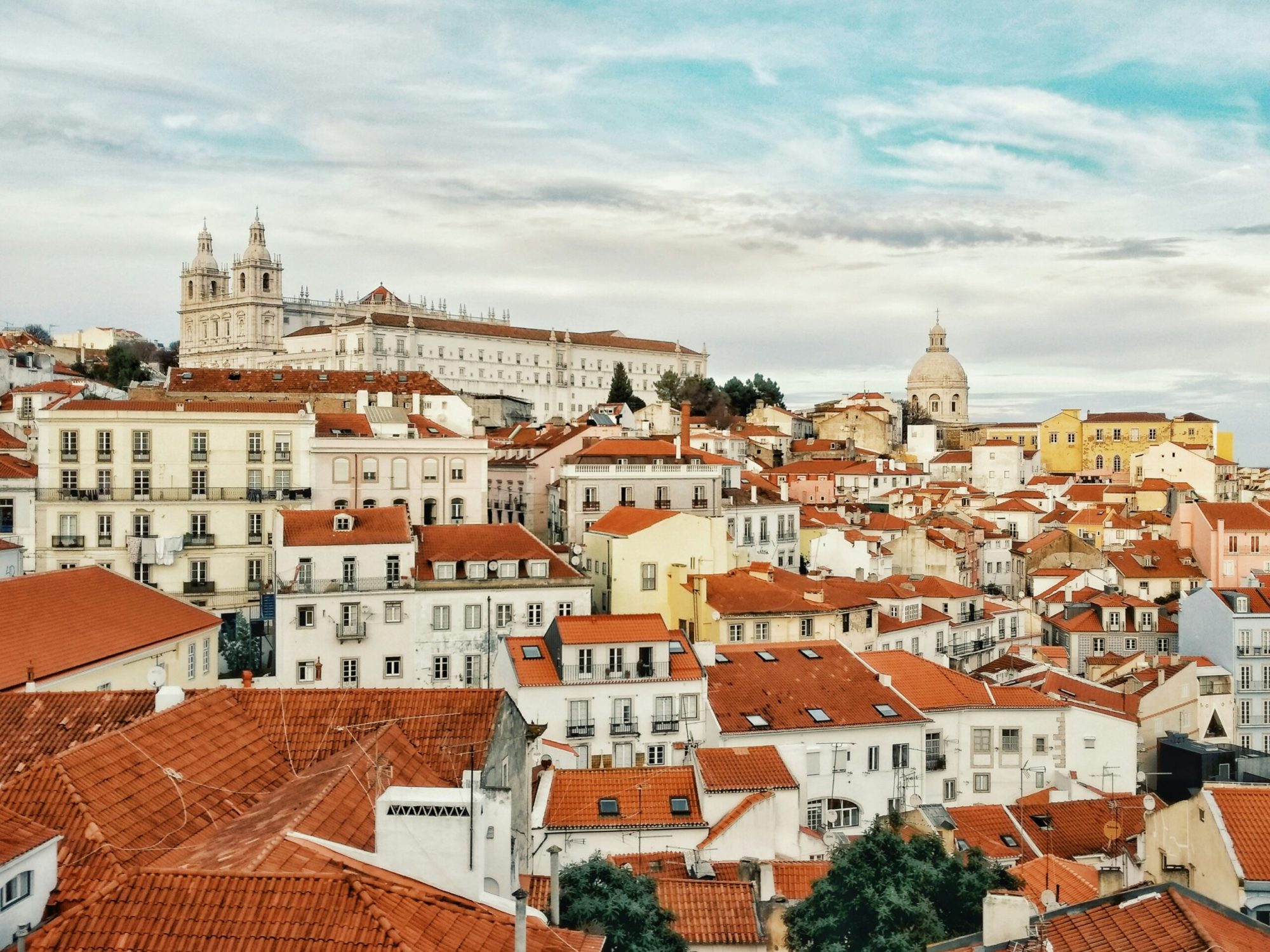
Lisbon is often the first stop, and it rarely disappoints. Built across a series of hills overlooking the Tagus River, the city reveals itself slowly. Neighbourhoods like Alfama and Mouraria feel intimate and timeworn, while Belém and Baixa reflect Portugal’s imperial past.
Much of Lisbon’s charm lies in the small moments: trams creaking uphill, tiled buildings catching the afternoon sun, viewpoints opening unexpectedly between streets. It’s a city that encourages wandering without an agenda—especially appealing for travellers who prefer discovery over rigid plans.
Porto and the Douro: Character with Depth
Further north, Porto offers a different rhythm. More compact and introspective, it feels shaped by its river, its weather, and its working history. The Ribeira district, with its stacked houses and riverfront energy, gives a strong sense of place.
Just beyond the city, the Douro Valley unfolds in terraces of vineyards following the curves of the river. Whether visited by train, boat, or car, the region offers a slower, more reflective counterpoint to Portugal’s urban centres.
The Algarve and the Atlantic Edge
Portugal’s southern coast introduces another side entirely. The Algarve is often associated with beaches, but its appeal goes beyond sun and sand. Cliffs carved by the Atlantic, quiet fishing towns, and protected natural areas create variety along the coastline.
Beyond the Algarve, Portugal’s western coast remains refreshingly diverse. From surf-focused towns to quieter stretches north of Lisbon, the Atlantic presence shapes daily life, food, and movement in subtle but powerful ways.
Culture in the Everyday
Portuguese culture is deeply tied to routine and community. Meals are unhurried, ingredients are seasonal, and regional identity matters. Food reflects geography—seafood along the coast, heartier dishes inland—and recipes often carry family history.
Music, particularly fado, offers emotional insight into Portuguese life. Often heard in intimate settings, it expresses saudade—a sense of longing and memory that resonates far beyond language. Experiencing these cultural moments provides a deeper understanding of the country than landmarks alone.
Looking Beyond the Big Cities
Some of Portugal’s most rewarding experiences lie away from its major hubs. Central Portugal offers historic university towns, forested landscapes, and traditional villages. The Alentejo moves at a slower pace altogether, defined by open plains, cork forests, and understated beauty.
Then there are the islands. Madeira and the Azores feel worlds apart from the mainland, with volcanic landscapes, dramatic coastlines, and nature-led experiences that appeal strongly to hikers and outdoor travellers.
Practical Ease, Thoughtful Travel
Portugal is easy to navigate without feeling over-touristed. Trains and roads connect regions efficiently, English is widely spoken in travel settings, and the overall pace allows for flexible planning. Its climate also works in its favour, with mild winters and warm—but manageable—summers, especially along the coast.
Planning around seasons makes a noticeable difference, whether you’re focused on city exploration, hiking, or coastal drives. For travellers looking to simplify logistics while still experiencing Portugal’s diversity, Portugal vacation packages 2026 can offer a convenient way to combine cities, regions, and experiences without the pressure of over-planning.
Why Portugal Continues to Stand Out
Portugal’s appeal isn’t built around one headline attraction. It comes from how seamlessly its elements fit together. Cities invite exploration without exhaustion. Landscapes shift dramatically without long journeys. Traditions remain visible without feeling curated.
For travellers seeking authenticity, cultural depth, and the freedom to move at their own pace, Portugal consistently delivers. It’s not just a destination you visit—it’s one you experience, often more deeply than expected.
The post Planning Your Next European Trip? Why Portugal Tops the List appeared first on Hopping Feet.