This is a guest post by Lana Brooks, who specializes in curating short, stylish getaways across the Northeast. Her work focuses on nature-rich escapes, boutique stays, and hidden gems perfect for NY-based travelers craving a quick breather.
Manhattan teaches you to schedule dinner three weeks out. The Hudson Valley reminds you that tomatoes still ripen on the vine, warm from the afternoon sun.
In the city, you see art displayed in white galleries, guarded by security. Up here, sculpture sits in open fields under changing skies. In the city, you drink wine from everywhere. In the Hudson Valley, you taste this specific hillside, this particular year.
Ninety minutes north—close enough for a Friday escape, far enough to feel like you’ve crossed into another century—the Hudson Valley waits with something rarer than Instagram moments: the space to be present with someone you love.
Where Antique Shops Aren’t Performing Nostalgia
Your drive up the Hudson River Valley follows the same route that changed Thomas Cole’s life in 1825. This English painter glimpsed these hills from a steamship and saw wilderness that felt sacred. He settled in Catskill and founded the Hudson River School, America’s first true art movement.
You’ll feel it too in Cold Spring, where 19th-century storefronts line Main Street exactly as they did when riverboats docked. Walk hand-in-hand down to the river. The same glow that Thomas Cole painted still exists. That particular quality of afternoon sun hitting water hasn’t changed in two centuries.
Across the river in Beacon, the old Nabisco factory now houses Dia:Beacon, where art spreads across enormous rooms with natural light pouring through industrial windows. Stand together in front of something beautiful and let it work on you slowly.
For dinner, find one of Beacon’s farm-to-table restaurants where the menu changes based on what arrived from the farm that morning. Back in the city, this would feel precious. Out in the valley, it’s just how things work.
Sculptures, Hillsides, and the Art of Doing Nothing
Hudson River School painters spent summers hiking these ridges, sketching views they’d later transform into paintings. They were trying to capture why these mountains made them feel something they’d never felt looking at European landscapes.
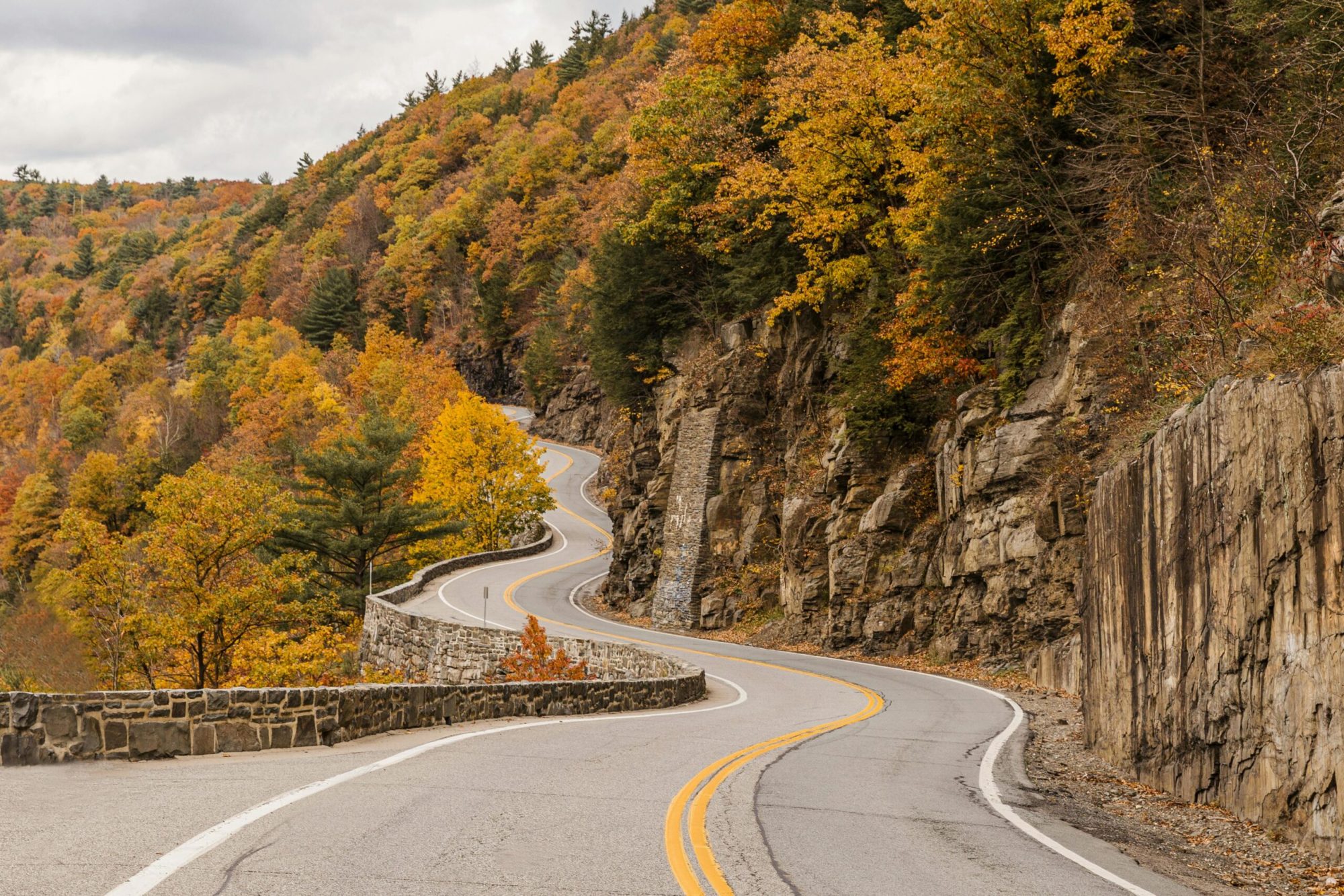
Start your morning on one of the trails that Cole and Frederic Church walked. Breakneck Ridge rewards your effort with views that remain from the 1840s. Or choose Storm King Art Center, where massive sculptures inhabit 500 acres of rolling hills. Walk the grounds slowly. Touch the sculptures. Lie in the grass.
Pack a picnic—local cheese, bread from a multigenerational bakery, fruit from a farm stand. Eat it on a hillside overlooking the landscape. In this place, you might just look at each other and realize you haven’t checked your phone in hours.
Wine That Actually Tastes Like Somewhere
Wine back in the city comes from everywhere. Hudson Valley wine tells a story about this place.
Agricultural roots in this region run over 300 years deep. Brotherhood Winery released its first commercial vintage in 1839, making it America’s oldest continuously operating winery. While Napa was decades away from its first vines, French immigrant Jean Jaques was already cultivating grapes in Washingtonville.
This winery survived the Civil War, two World Wars, and Prohibition by making sacramental wine for churches. It endured because something about these slopes—the climate, the soil, the seasons—produces fruit worth protecting.
Wine tours Hudson Valley residents recommend aren’t about getting drunk on a Saturday. They’re about understanding terroir—that untranslatable French word meaning “the taste of place.” When you sip a Riesling at a vineyard, you’re experiencing limestone soil, morning fog that burns off by noon, and the exact angle of sunlight hitting these slopes.
Winemakers in the region know their vines the way you’d describe an old friend. They know which rows produce deeper flavors under stress. They remember the perfect vintage from seven years ago when everything aligned just right.
Between tastings, drive the back roads. Stop at farm stands. Visit small towns like Rhinebeck and Hudson, where Main Street hasn’t been chain-stored into sameness. Browse bookshops and galleries that exist because someone loves what they do.
The One Thing That Makes or Breaks This Trip
Hudson Valley’s most rewarding experiences are scattered across towns, and wine country isn’t walkable. When you arrange your transportation—especially for vineyard days—logistics transform into romance. When neither of you needs to stay sober for navigation, when you can both taste the Cabernet Franc and linger at the winery with the perfect view—that’s when a getaway becomes what it’s supposed to be.
The Souvenirs That Don’t Fit in Your Suitcase
You’ll return to Manhattan with wine bottles that taste better because you remember the hillside where the grapes grew. You might have honey from a farm stand or cheese from a creamery where you met the maker.
But what you’ll really bring back is simpler: the memory of walking together without rushing. Food that reflects the place you’re standing. Some things—glow on water, wind in trees, wine made from specific earth—still exist outside the city’s manufactured urgency.
Hudson Valley has been teaching New Yorkers this lesson since the 1800s. Artists fled north to learn how to see again. Couples discovered that sometimes the most radical thing you can do is spend three days paying attention to each other and the world around you.
These hills remain. The glow hasn’t changed. This lesson waits for anyone willing to drive ninety minutes north and step into a place where seasons still dictate the rhythm, where time moves differently because someone chose not to pave over everything beautiful.
Go. Your reservation is waiting.
The post Escaping NYC: A 3-Day Hudson Valley Getaway of Small Towns, Trails, and Wineries appeared first on Hopping Feet.